
A Cup of Tea? Staying Hydrated as the Shropshire Sun Finds its Strength
As we move deeper into May, we finally see the Shropshire landscape truly wake up. The verges are blooming, and the sun is beginning to hold a bit of real warmth. While we all welcome the brighter evenings, this transition period often brings a "hidden" heat. Even a mild British spring day can be surprisingly taxing on the body, particularly for our older neighbors we care for in places like Prees, Whixall, and Higher Heath.
1. Why are older adults at a higher risk for dehydration?
As people age, their body's "thirst trigger" becomes less reliable. For those living with dementia, the signal that the body needs fluids can be lost entirely.
2. What are the early signs of dehydration?
Early visible signs include a sudden change in mood, increased confusion, and "wobbliness" on their feet.
3. How can you help someone who is reluctant to drink plain water?
You can introduce "High-Water Foods" like cucumber slices, melon segments, jelly, or specialized hydration sweets into their routine.
4. What are hydration jelly sweets (or "water drops")?
They are sugar-free, colorful treats made of up to 95% water and electrolytes. They are firm enough to pick up but break down quickly in the mouth for easy swallowing.
5. how do common medications affect hydration in the sun?
Many medications for blood pressure or heart conditions act as diuretics, causing the body to lose fluids faster, which is amplified by warmer weather.
6. What should you do if you find someone with severe dehydration?
If you suspect someone is severely dehydrated, it is a medical emergency. Take the following actions immediately:
Call Emergency Services: Call 999 (or your local emergency number) right away. State clearly that you suspect severe dehydration in an older adult, especially if they are confused or lethargic.
Do Not Force Fluids: If the person is unconscious, drowsy, or highly confused, do not force them to drink. This can cause choking or fluid to enter their lungs.
Keep Them Cool: Move them to a shaded, cool area and loosen any tight clothing while you wait for help.
Monitor for Red Flags: Watch for critical signs like a rapid pulse, fast breathing, an inability to stand, or no urination for over 8 hours.
Gather Medications: Have a list of their current medications ready for the paramedics, as heart or blood pressure drugs can accelerate fluid loss.
The Secret in the Afternoon Tea
If you are caring for a loved one who seems reluctant to drink, it can be a source of real worry. You don't want to nag, yet you know how vital those fluids are for cognitive clarity and physical health.
You don't always have to "drink" your water. as we mentioned above If a glass of plain water feels like a chore to your relative, try introducing "High-Water Foods" into their routine.
The Menu: Instead of a dry biscuit with their afternoon tea, offer cucumber slices with a light dip, segments of melon, or even a small bowl of jelly.
The Benefit: These items are over 90% water. They are refreshing, easy to swallow, and contribute significantly to daily fluid intake without the person feeling pressured to gulp down liquids. It turns a "medical necessity" into a pleasant social snack.
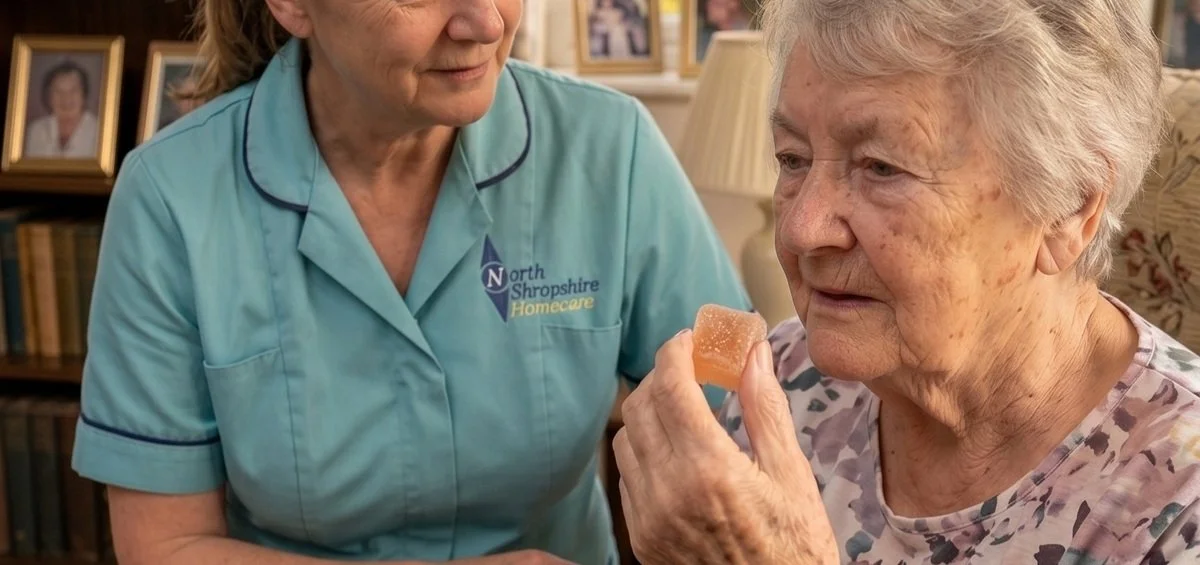
Hydration jelly sweets
often referred to as "water drops" or "solid water"—are a clever innovation designed to combat dehydration in elderly individuals who may struggle to drink enough fluids.
They transform the chore of drinking a glass of water into the simple, enjoyable act of eating a snack.
What Makes Them Different?
Unlike standard gummy bears or gelatin desserts, these sweets are specifically engineered for clinical and geriatric needs.
High Water Content: Most are made of up to 95% water, along with electrolytes and natural flavorings.
Texture and Consistency: They have a "solid-liquid" texture. They are firm enough to be picked up with fingers but break down quickly in the mouth, making them easier to swallow than thin liquids.
Sugar-Free: To accommodate diabetic needs or prevent dental issues, they are typically sweetened with erythritol or stevia.
Appealing Aesthetics: They are usually bright, colorful, and shaped like treats, which triggers a positive "snack" response rather than a "medical" one.
Do hot drinks really help cool you down?
Surprisingly yes! hot drinks can indeed help cool you down by increasing the amount you sweat. When you consume a hot beverage, your body responds by producing more sweat. As this sweat evaporates, it effectively lowers your body temperature.
However this method is most effective in dry conditions where sweat can evaporate freely.
If you are noticing a sudden change in a loved one’s mood, increased confusion, or a bit of wobbliness on their feet, it might not just be "old age"—it could be the early signs of dehydration.
How We Can Help
If you’re concerned about a relative’s hydration or how their medication might be affecting them in the warmer weather, give us a call at our Whitchurch office on 01948 411222. We’re always here for a chat about how we can support your family across North Shropshire.