
Complex Care at Home
Have this page read to you
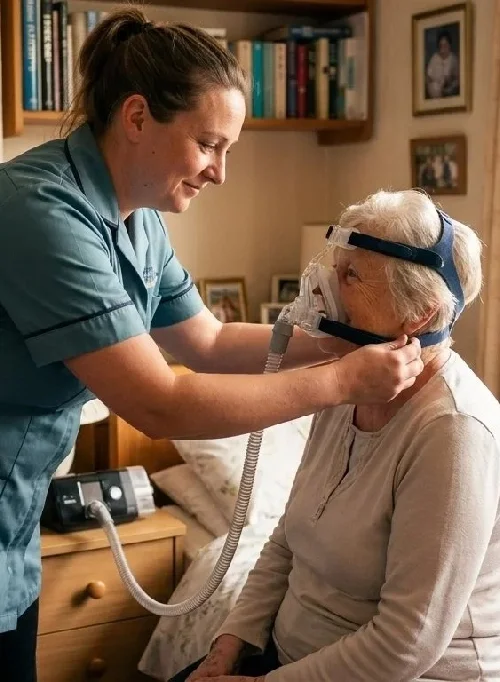
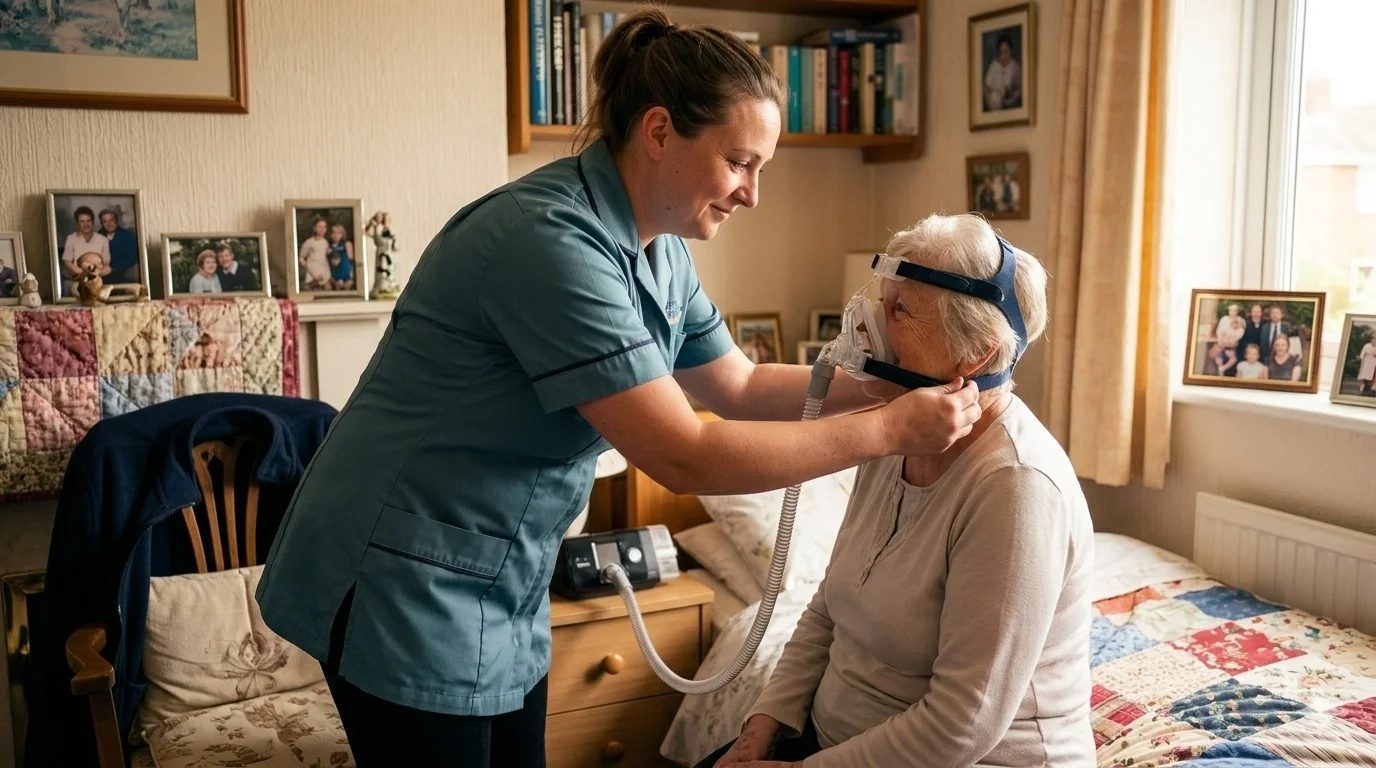
Some care needs require more than a helping hand with the morning routine.
They require clinical knowledge, specialist training, equipment competency, and the particular kind of calm that comes from genuinely knowing what you are doing in a situation that would unsettle someone less prepared. They require carers who can manage a ventilator alarm without panic, who know the difference between a stoma that needs attention and one that is functioning normally, who can support a PEG feed with the precision it demands and the dignity it deserves.
This is complex care. And it is something North Shropshire Homecare has been delivering — in people's homes, across the rural communities of North Shropshire — for over fourteen years.
What Complex Care Means
Complex care is the term used for support that goes beyond the standard scope of domiciliary homecare into territory that requires specific clinical training, careful risk assessment, and close coordination with the NHS teams involved in a person's care.
It is not a different kind of organisation from ordinary homecare — the values of dignity, consistency, and person-centred support are exactly the same. What differs is the level of clinical skill required and the stakes involved if that skill is absent.
For families considering complex care at home for the first time, the most important question is usually: can this actually be done safely outside a hospital or nursing home? In the majority of cases, with the right provider, the right training, and the right care plan, the answer is yes. The home — familiar, personal, surrounded by the things and people that matter — is often the best possible environment for someone with complex needs, not despite those needs but because of them.
“Staff promoted and supported people’s independence. For example, making choices as part of everyday life
and when offering personal care.
One person told us, “Everyone is always respectful and always ask my permission before they do anything, even going to the toilet! I like my carers. They are a part of the family and will go out of their way to do anything extra that I need. They encourage my independence and are very patient with me.”
The Clinical Areas We Support
Our team is trained across a range of complex care needs. Every area of clinical support listed here is delivered by carers who have received specific, documented training for that individual client before their first visit. We do not send carers into complex situations they have not been prepared for.
Non-Invasive Ventilation (NIV)
Supporting clients who rely on ventilator support — including continuous or overnight NIV — is one of our most specialist areas of practice. This includes understanding machine settings and their clinical significance, the correct power-on and power-off sequence, mask fitting and strap tension, pressure sore prevention at contact points, filter maintenance, battery backup management, and the alarm system that keeps a ventilator user safe.
PEG Feeding
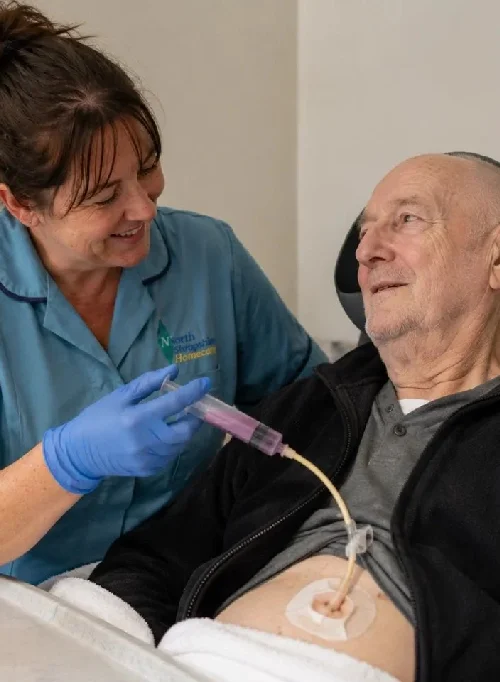
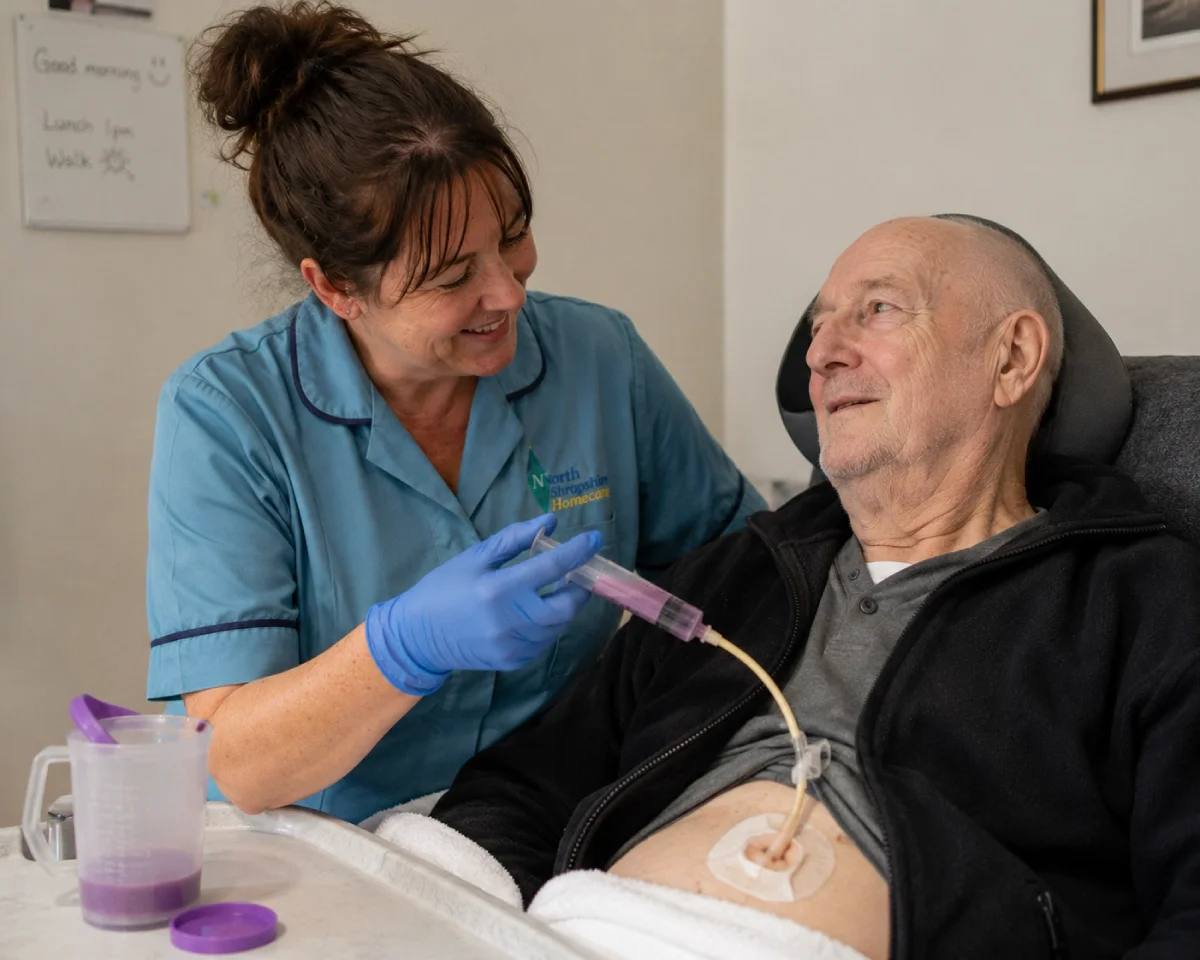
Percutaneous endoscopic gastrostomy feeding — delivering nutrition directly via a tube into the stomach — requires scrupulous hygiene, precise preparation of feeds, careful management of the administration process, and close monitoring for complications including site infection and tube displacement. Our carers trained in PEG feeding follow a documented care plan developed in conjunction with the client's clinical team and are supervised until fully competent.
Catheter Care
Supporting clients with long-term urinary catheters — including drainage bag management, hygiene care around the catheter site, monitoring for signs of infection, and managing catheter-associated complications in accordance with the care plan. Catheter insertion and replacement remains a district nursing task; the ongoing daily care and monitoring is ours.
Stoma Care
Supporting clients with colostomy, ileostomy, or urostomy stomas — including pouch changing, skin barrier management, site hygiene, and monitoring for complications. Stoma care requires both technical precision and particular sensitivity to the emotional dimension of a significant change to a person's body. We approach it accordingly.
Epilepsy Management and Rescue Medication
» Click to read our page on Epilepsy and Seizure Care Care «
Supporting clients with epilepsy, including awareness of seizure types and triggers, seizure observation and recording, postictal care, and — where trained and prescribed — the administration of rescue medication such as buccal midazolam. Carers working with epilepsy clients receive condition-specific training and clear protocols for when to call emergency services.
Acquired Brain Injury and Complex Neurological Conditions
» Click to read our page on Spinal Cord injury Care «
» Click to read our page on Motor Neurone Disease Care«
» Click to read our page on Huntington’s Disease Care«
» Click to read our page on Stroke Care «
Supporting individuals with the consequences of stroke, traumatic brain injury, or progressive neurological conditions including Motor Neurone Disease and Huntington's disease. This includes managing the communication, cognitive, and physical complexities that these conditions present, and adapting care as the condition progresses.
Spinal Cord Injury
» Click to read our page on Spinal Cord injury Care «
Providing personal care, moving and handling, and daily living support for individuals with high-level spinal cord injuries where the precision and consistency of care is critical to preventing complications including pressure injuries, respiratory compromise, and autonomic dysreflexia.
Oxygen Therapy
Supporting clients prescribed supplemental oxygen — including safe management of oxygen equipment in the home, monitoring during activity, and understanding the specific precautions required in an oxygen-enriched environment.

How We Train for Complex Care
This is the question families ask most often, and it is exactly the right one to ask.
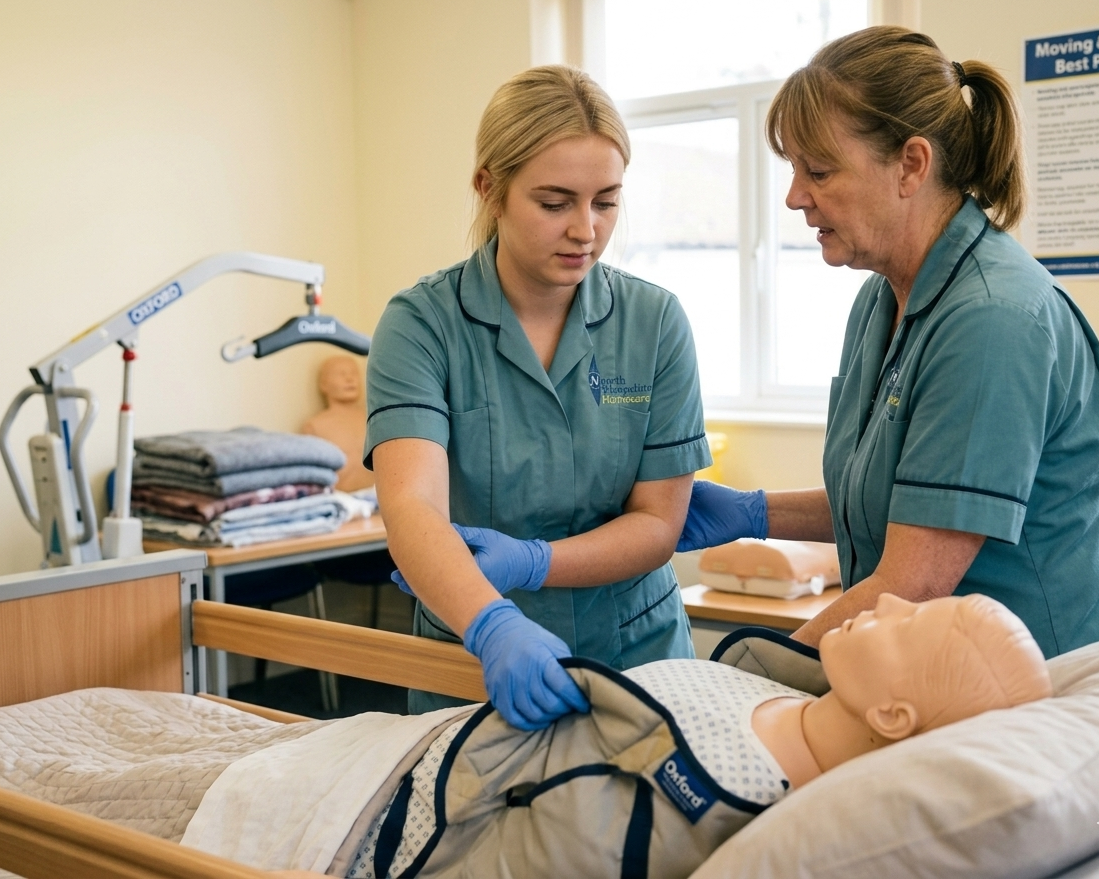
No carer at NSHC is sent to support a client with complex needs on the basis of general training alone. Every complex care package begins with a client-specific training process — developed in conjunction with the NHS clinical team, the community nursing service, and where possible the client themselves.
This process typically involves:
Clinical handover — working with the district nurse, the hospital discharge team, or the specialist nurse to understand the specific equipment, the specific protocols, and the specific red flags for that individual client.
Supervised practice — carers practice the relevant clinical tasks under supervision before taking sole responsibility. We do not rush this process. A carer who is not yet confident in a task does not perform it unsupervised.
Documented competency — completion of the training process is documented and held on file. It is reviewed whenever a client's condition or equipment changes.
Ongoing supervision — complex care packages are reviewed more frequently than standard packages, with regular management oversight and open communication with the clinical team.
This is not a theoretical process. It is what we actually do, for every complex care client, before the first solo visit.
Respite and Overnight Care
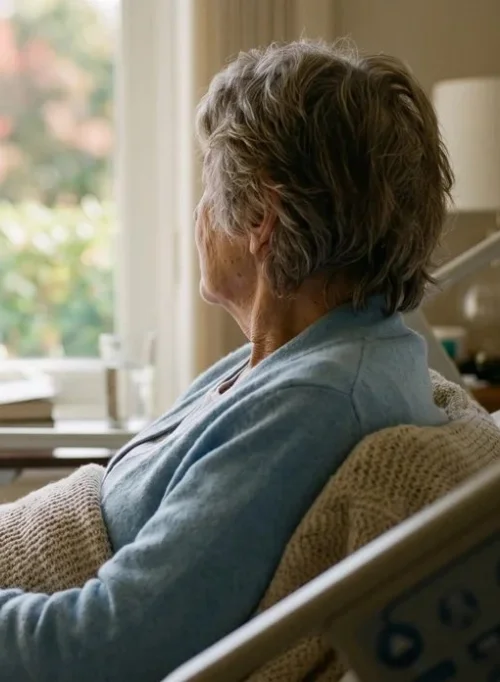
For family members who are the primary carers of someone with complex needs, rest is not a luxury — it is a clinical necessity. Carer burnout is one of the most significant risk factors for the breakdown of home-based complex care packages, and it is almost entirely preventable with the right respite provision.
We provide:
Sitting and relief visits — allowing a family carer to leave the house for a few hours with complete confidence that their relative is in trained, capable hands. This is not a standard welfare call; it is a qualified complex care presence that can manage whatever arises during the carer's absence.
Overnight sleeping calls — a trained carer present in the home overnight, available to respond to need while the family member sleeps. For families managing a loved one with nocturnal seizures, ventilator needs, or high overnight care requirements, a sleeping call can be the difference between a sustainable arrangement and one that is quietly destroying the health of the person providing it.
Emergency and planned respite — whether the need is planned (a family event, a holiday, a medical appointment of the carer's own) or unplanned (illness, family emergency), we will do everything within our capacity to provide cover at short notice. We understand that complex care situations can change rapidly and that the families managing them deserve a provider who responds accordingly.
Working Alongside the NHS
Complex care at home is never delivered in isolation. Every client with complex needs has an NHS clinical team involved — a GP, district nurses, a specialist nurse, a consultant, or some combination of these. Our role is to work within that team, not around it.
In practice this means:
Clear, documented communication about observations made during care visits. A carer who notices something significant does not simply log it and move on — they communicate it to the appropriate clinical contact, with the appropriate urgency.
Strict adherence to care plans developed in conjunction with the clinical team, with no improvisation on clinical tasks.
Prompt escalation when something changes — not a wait-and-see approach, but a clear and practised protocol for every complex care client that specifies who to call, in what order, and when.
We are not trying to replace clinical teams. We are trying to be the consistent, trained, present partner that makes it possible for a person with complex needs to stay in their own home safely — and to stay there well.
A Note on What Complex Care Makes Possible
There is sometimes an assumption that a person with significant medical needs belongs in a clinical setting — that the right place for someone on a ventilator, or receiving PEG feeds, or managing a spinal cord injury, is a hospital or a nursing home.
We want to gently push back on that assumption, not universally, but specifically.
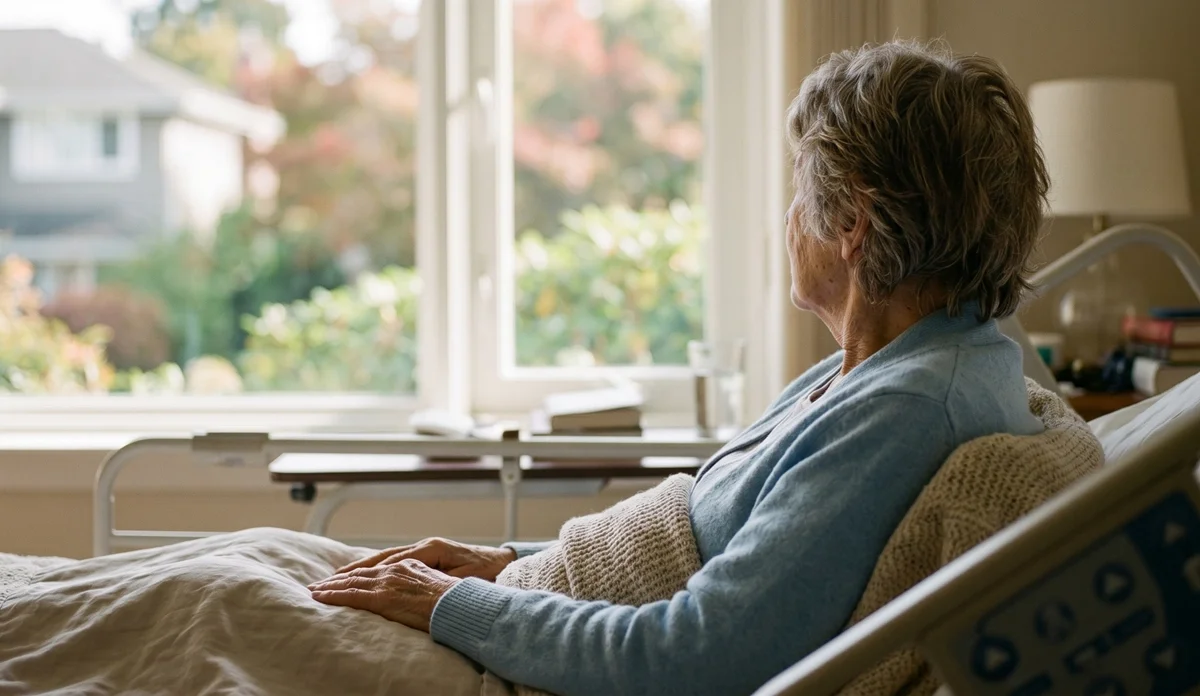
For many people with complex needs, home is not just preferable — it is better. The environment is familiar. The relationships are real. The routine belongs to the person rather than to an institution. The dignity of waking up in your own bed, in your own room, surrounded by your own things, is not a small consideration. It is a significant contributor to wellbeing, to mental health, and — the research increasingly suggests — to physical health outcomes.
Complex care at home is not a compromise. For the right person, with the right provider, it is simply the best option available.
Talk to Us
If you are navigating a complex care situation — whether a recent diagnosis, a hospital discharge, or a condition that has progressed beyond what standard home care can support — we would be glad to have an honest conversation about what is possible.
Call our Whitchurch office on 01948 411222 — Monday to Friday, 9am to 4pm for planned conversations, and 24 hours a day, 365 days a year for urgent situations.
Email: mail@nshomecare.co.uk
A free home assessment allows us to understand the full picture before making any recommendations. There is no obligation involved in asking.
North Shropshire Homecare The Coach House, 15/17 Green End, Whitchurch, SY13 1AD
Providing outstanding complex care across Whitchurch, Wem, Higher Heath, Prees, Whixall, Tilstock, Ash, and the surrounding villages of North Shropshire.
We are the Gold Standard.
Exceptional support begins with listening. Before we ever step through your door, we work closely with you to design a fully bespoke care plan tailored to your exact needs, routines, and lifestyle.
We champion true person-centred care, ensuring you remain firmly in control of the entire process from day one. By arranging a comprehensive, relaxed assessment with you and anyone you choose to involve—whether that is family, friends, or advocates—we guarantee that every detail is perfectly aligned with your wishes. With us, your care is always delivered exactly how you want it, on your terms.