
Meal Preparation, Nutrition and Hydration
Have this page read to you
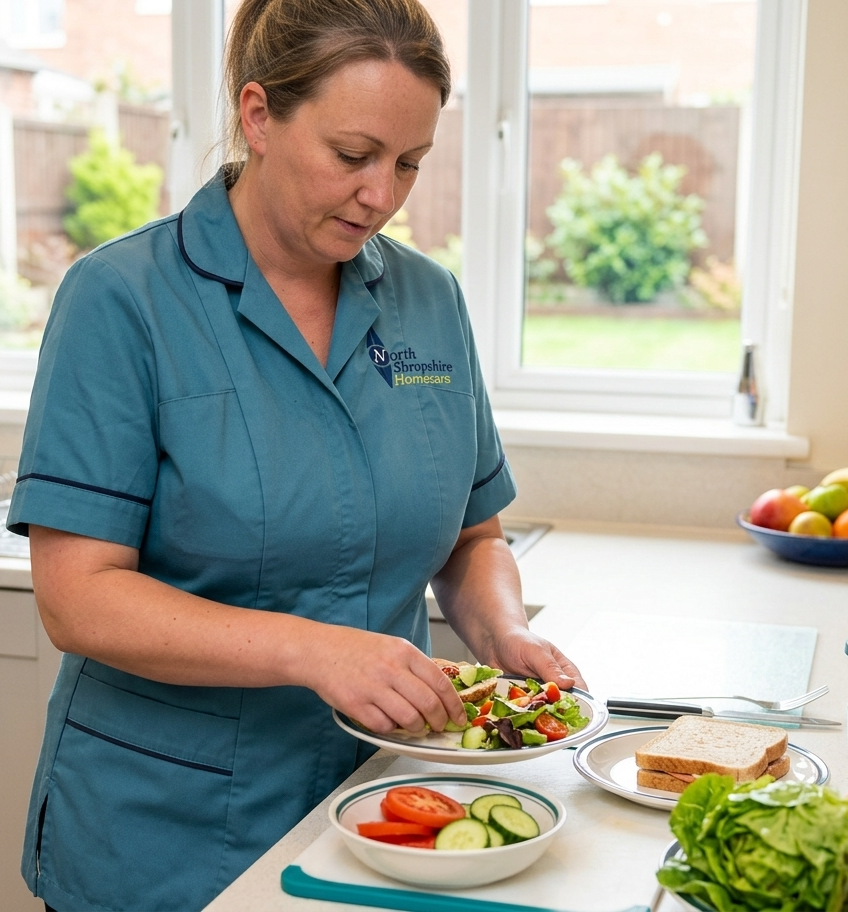
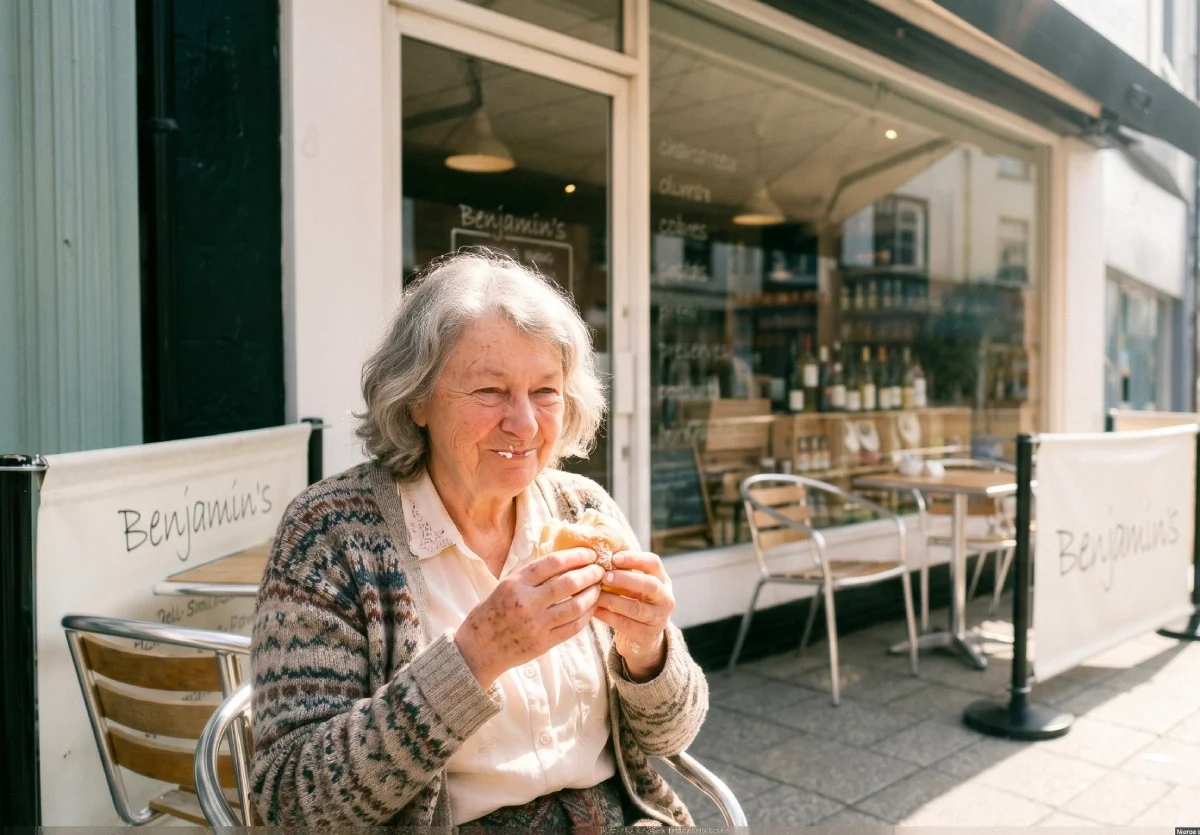
Mealtimes should be something to look forward to.
Not a chore to be managed, not a task to be rushed through — but a genuine part of the day that brings comfort, pleasure, and the nourishment to feel well. At North Shropshire Homecare, we take food seriously, because we know that what a person eats, how they eat it, and whether they enjoy it has a direct effect on their physical health, their mood, and their sense of being cared for properly.
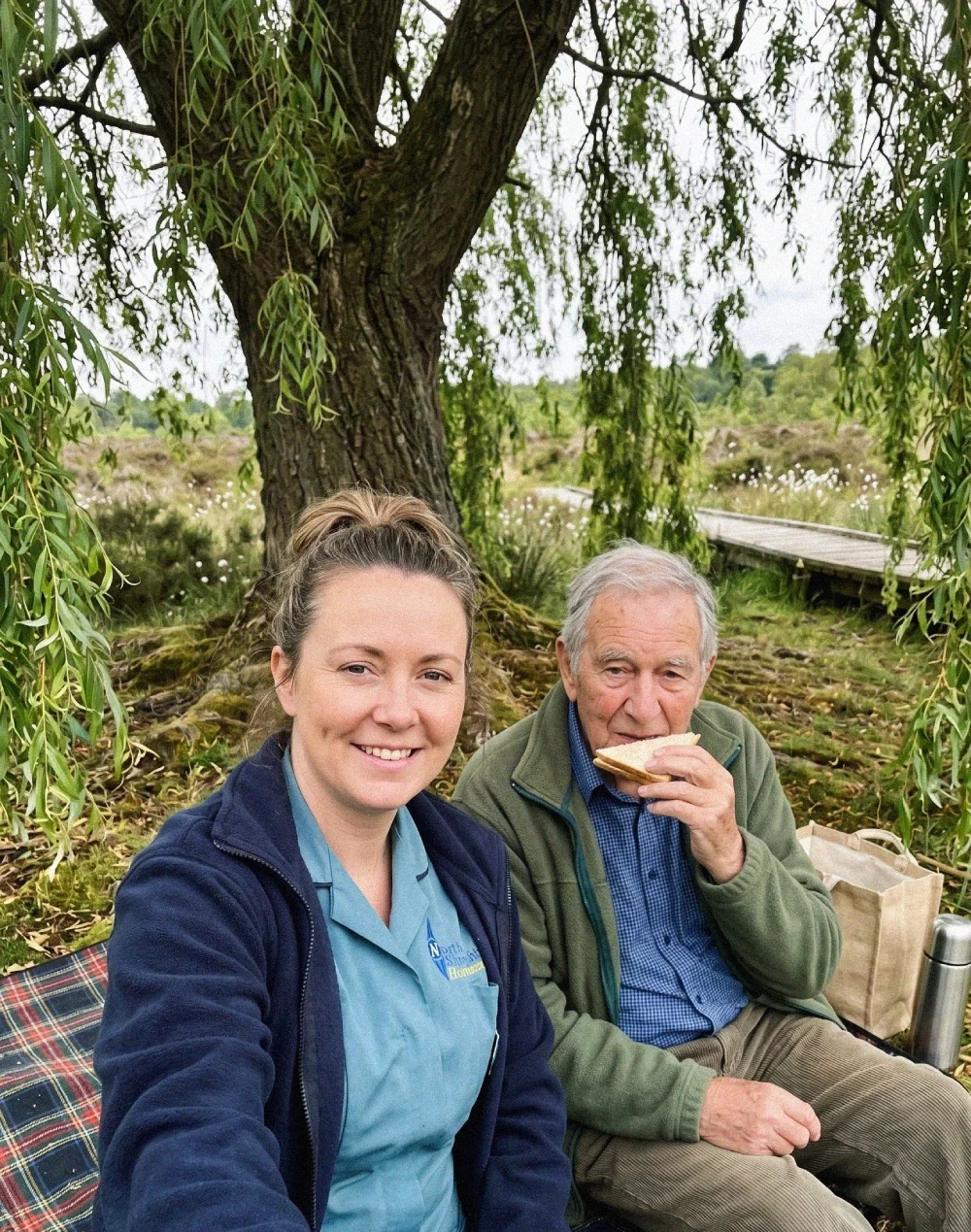
What We Do at Mealtimes
Our team can support with the full range of meal preparation — from planning and shopping to cooking from scratch and clearing up afterwards. This includes:
Cooking proper meals. Not reheating a ready meal and calling it done. Where clients wish, we prepare fresh, home-cooked food — the kind of meal that takes time, smells right, and actually tastes of something. We make the most of locally sourced ingredients where we can, including produce from the farms and markets across the Wem, Whitchurch, and wider North Shropshire area.
Reflecting personal taste and routine. We learn what people actually like — not what a care plan says they should eat, but what they have eaten for seventy years and still look forward to. A proper Sunday roast. Toast the right shade of brown. Tea made correctly, which means something different to everyone.
Involving individuals as much as they wish. For many people, cooking has been a source of identity and pleasure for a lifetime. Where someone wants to stay involved — directing from the chair, preparing part of a meal, making decisions about what to eat — we support that. We do not take over where we are not needed.
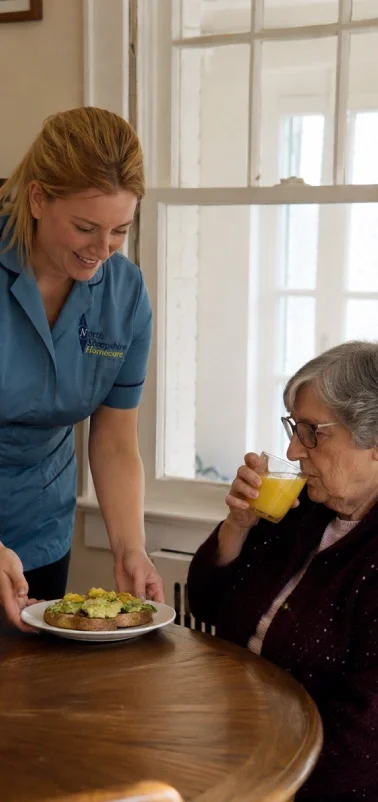
Preparing snacks, light meals, and refreshments. Not every mealtime is a cooked dinner. We can prepare nutritious snacks, light lunches, and drinks throughout a visit, ensuring that the smaller eating moments in a day are as considered as the main meals.
Nutrition and Hydration
Good food and regular fluids are two of the most powerful tools available for maintaining health in older age. Poor nutrition contributes to falls, slows recovery from illness, and affects cognitive function. Dehydration — particularly common in older adults, whose thirst signals become less reliable with age — can cause confusion, dizziness, and urinary infections long before anyone thinks to question fluid intake.
Our carers are trained to think about both. This means:
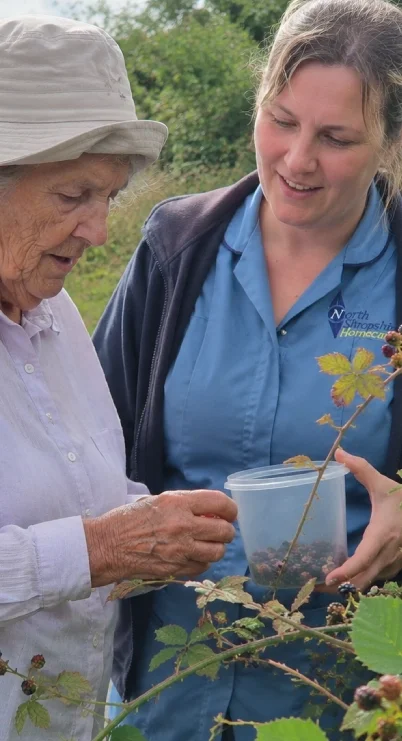
Gently encouraging fluids throughout a visit — not standing over someone with a glass of water, but building drinks naturally into the rhythm of a call. A cup of tea on arrival. A glass of squash with a snack. Small, frequent, enjoyable.
Supporting specialist dietary requirements. We have experience across a wide range of dietary needs, including:
Diabetes — supporting meal timing, carbohydrate awareness, and consistency of routine.
Dysphagia — supporting clients who have difficulty swallowing with texture-modified meals and thickened fluids, in line with their SALT (Speech and Language Therapy) assessment and care plan.
Dementia — understanding that appetite and food recognition can change with cognitive decline, and knowing how to make eating a calm, familiar, enjoyable experience rather than a stressful one.
Post-surgical or recovery nutrition — supporting individuals rebuilding strength after a hospital stay, when appetite is often poor and calorie-dense, easy-to-eat food makes a real difference.
Religious and cultural dietary requirements — we take personal and religious food preferences seriously and factor them into every care plan from the start.

Staying Independent at the Table
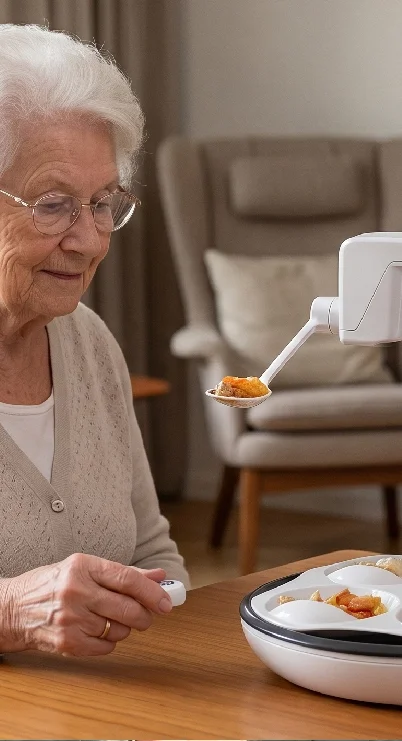
One of the things that matters most to the people we support is remaining in control of how they eat. Needing help with cooking does not mean needing help with every aspect of a mealtime — and where someone can and wants to manage their own eating, our job is to make sure they have what they need to do so comfortably.
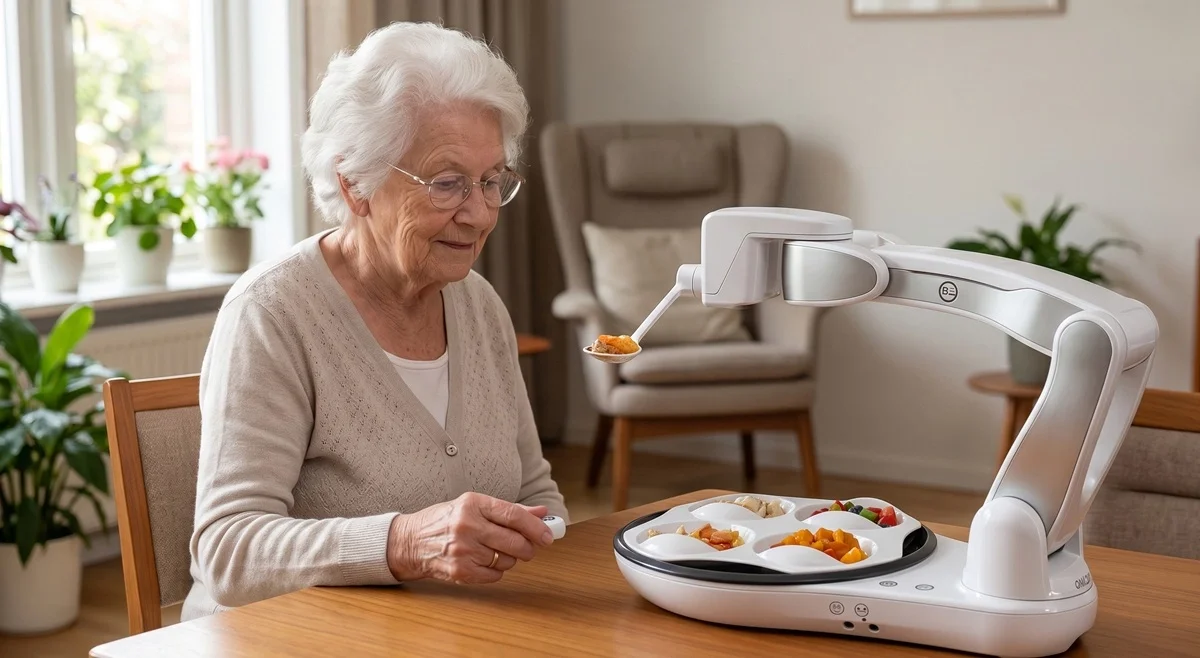
We have experience with the full range of adaptive eating aids and can point individuals and families toward the right solutions for their specific needs. These include:
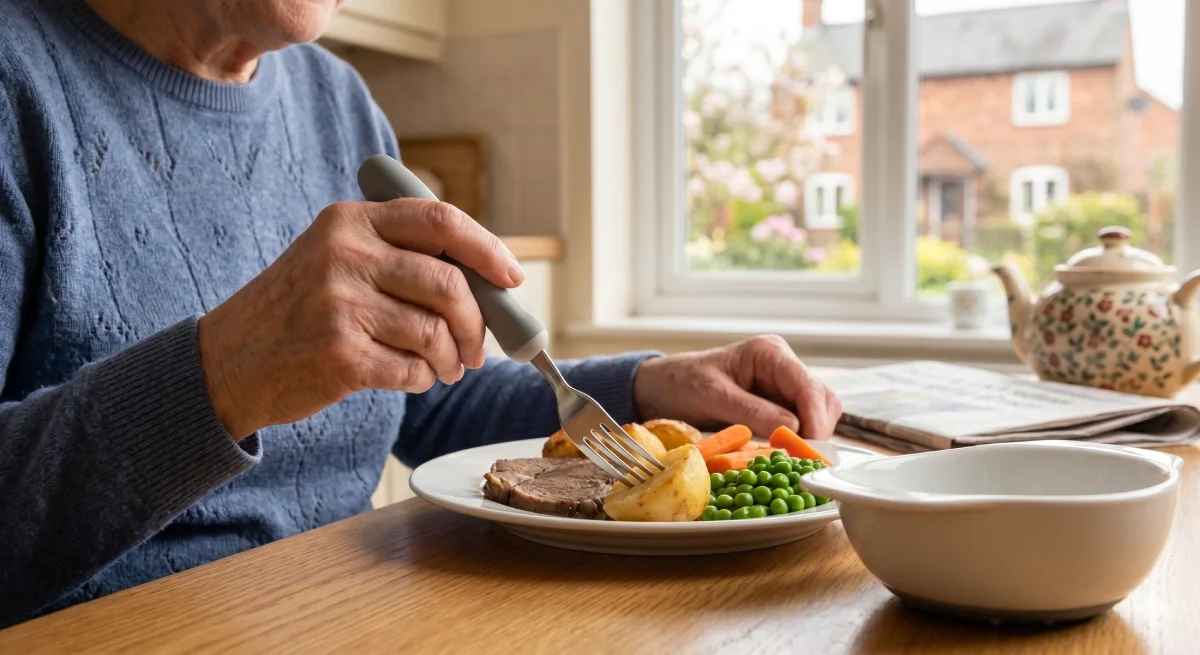
For those managing a tremor or reduced grip — cutlery with thick, weighted handles that add stability and reduce the effect of hand tremor; non-slip mats that hold a plate steady without any fuss.
For those with limited wrist movement or one-handed eating — angled spoons and forks that reduce the degree of wrist rotation needed; rocker knives that allow one-handed cutting; scoop bowls with raised inner edges and suction bases that make loading a spoon significantly easier.
For those with swallowing difficulties — specialist cups with nose cutouts that allow drinking without tilting the head back; two-handled mugs for stability; weighted cups that reduce spilling during tremor.
For those with cognitive difficulties — high-contrast crockery that makes food easier to distinguish from the plate; simplified table settings that reduce visual overwhelm; familiar, recognisable foods that connect with long-term memory even when short-term memory is affected.
We do not supply these items directly, but we know what works, where to find it, and how to make the case to an occupational therapist for a formal assessment if more support is needed.
A Note on What Good Mealtime Support Actually Looks Like
There is a difference between a meal being made and a mealtime being good. The food matters. But so does whether someone is sitting comfortably, whether the television is on or off, whether there is conversation or companionable quiet, whether the carer sits down for five minutes or hovers by the door.
We try to get all of it right. Not just the cooking.
Talk to Us
If you have questions about how we support nutrition and mealtimes — or if you are wondering whether someone you care about is eating and drinking well enough — we are always glad to have that conversation.
Call our Whitchurch office on 01948 411222 (Monday to Friday, 9am to 4pm) or email mail@nshomecare.co.uk to arrange a confidential chat or a free home assessment.
There is no commitment involved in asking.
We provide outstanding support across Whitchurch, Wem, Higher Heath, Prees, Whixall, Tilstock, Ash, and the surrounding villages of North Shropshire.
Tailored to you.
Before we start caring for you, we will make a bespoke care plan suited just to your needs. We believe in person-centred care and we will keep you involved with this process so you have full control of your care. We will arrange to do an assessment with you and anyone else you want involved in your care plan to make sure you are satisfied with how your care will be carried out.