
Before the Clocks Go Back: Getting Ready for the Dark Months in North Shropshire
There is a moment each autumn when you notice it's dark at tea time. In town it barely registers. Out in a farmhouse near Whixall or a bungalow on a lane outside Prees, with the nearest neighbour a field away, it can feel like a door quietly closing on the day.
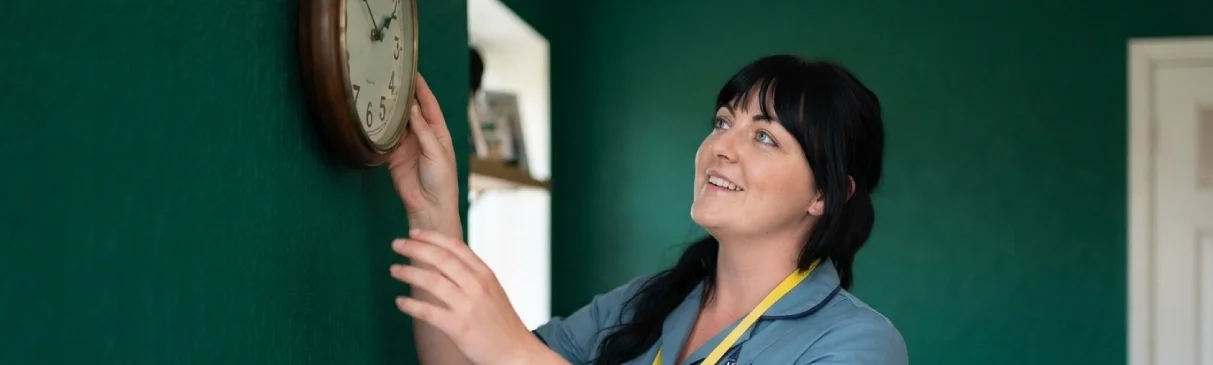
For many of the people we support, autumn is when routines shrink, visitors thin out, and moods dip. None of that is inevitable, and a bit of planning now, before the clocks go back, makes a real difference. Here is what we've learned, and what we do.
What Happens When the Light Goes
Seasonal affective disorder, usually shortened to SAD, is a type of depression that returns at the same time each year, typically in autumn and winter. Estimates vary. The Royal College of Psychiatrists puts significant winter depression at around 3 in every 100 people, while other sources suggest as many as 1 in 15 are affected each year. Many more experience a milder version, often called the winter blues.
The cause isn't fully understood, but it's linked to less daylight, which can affect the body clock and the hormones that regulate sleep and mood. In practice that means low energy, oversleeping, craving carbohydrates, losing interest in things, and pulling away from people.
For older adults there is a catch. Those signs are easily mistaken for something else: "he's just slowing down", "she's more forgetful lately". Sometimes they are part of a condition like dementia. Sometimes they are a seasonal dip that will lift in spring. Either way, it's worth noticing and mentioning to a GP rather than assuming.
The Quiet Risks That Arrive With Autumn
The dark months bring more than low mood.
Loneliness deepens. Around 1.4 million older people in the UK are commonly reported as often feeling lonely, and shorter days give it more room. Fewer walks, fewer trips, fewer people at the door.
Falls become more likely. Dark mornings, wet leaves, icy paths, and poor lighting all raise the risk. See our piece on falls first aid for what to do when one happens.
Cold homes. Turning the heating down to save money is one of the most common quiet choices we see. A cold house affects circulation, breathing, and mood.
Dehydration. People drink less when it's cold, even though the need hasn't changed. Warm drinks count.
Chest infections and flu. Uptake of the flu jab among people over 65 was around 75% last season, with COVID vaccination lower at around 59%. If your relative hasn't booked theirs, now is the time.
Vitamin D. With less sun, levels drop. NHS advice is to consider a daily 10 microgram supplement through autumn and winter, and some people, including those who rarely go outdoors, are advised to take it all year. Check with a GP or pharmacist first, particularly alongside other medication.
Ten Practical Things to Do Before the Clocks Change
1. Get as much daylight as possible, early. Sit by the brightest window for breakfast. Morning light matters most for the body clock. Even ten minutes outside, wrapped up, helps.
2. Keep the routine. Same wake time, same breakfast, same daily anchors. When the weather narrows the day, routine holds it together.
3. Check the heating and the house. Is the boiler serviced? Is there enough oil or fuel? Are draughts a problem? If money is tight, help is available: Age UK Shropshire Telford & Wrekin offers free benefits advice on 01743 233123.
4. Improve the lighting. Bright bulbs in hallways and on stairs, and night lights for the walk to the bathroom. Poor lighting is a hazard in itself, especially with vision loss.
5. Sort footwear. Slippers with grip, and proper shoes for outdoor days. See our Training Tuesday posts for more on falls and footwear.
6. Plan the social week. Put something in the diary: the Tuesday day centre at Kingsway Court, the Time Together group in Whitchurch on the first and third Wednesday of the month, a coffee morning, a phone call rota among family. Details of these and more are in our Community Directory.
7. Check transport. Community transport runs on fixed days. If the Friday North Salop Wheelers route matters to you, confirm current times and book early.
8. Move a little, every day. Stretching in a chair, walking around the house, a few steps to the door. Little and often beats one big effort.
9. Look at medication and stock. Order repeat prescriptions early, before bad weather and bank holidays. Our medication check-in guide shows a simple seven day buffer system.
10. Ask about a light box. Bright light therapy lamps can help some people with SAD. They aren't right for everyone, especially with certain eye conditions or medications, so speak to a GP first.
Signs Worth Acting On
If a relative seems more withdrawn, sleeps much more than usual, loses interest in things they usually enjoy, eats very differently, or says things like "there's no point", take it seriously. Speak to their GP. Low mood in winter is common, and it's treatable.
If someone talks about not wanting to be here, or you're worried about their safety, contact the GP urgently, call NHS 111, or call 999 in an emergency. Samaritans are available any time on 116 123, free.
How We Adjust in the Dark Months
We change how we work as the days shorten.
We time visits, where we can, to make the most of daylight. We check the house is warm, lit, and safe on arrival. We keep a closer eye on food, drink, and mood, and we write down small changes so patterns show early. Companionship visits often become more important, a familiar face in the week when other visitors drop away. And we know the lanes, so a carer who lives ten minutes away turns up in the fog and the frost, not an hour late from another town.
If you're worried about how a relative will manage over the winter, it's better to talk to us now than in the first week of January. We can plan around their needs, from a weekly companionship visit to full care.
Winter Is Long, But So Is the Spring
Every year the light does come back. The people we care for know this better than anyone, because they've done it dozens of times. What helps is not being alone for the dark bit in between.
Local support is also available through Live Well Shropshire, the county's new wellbeing service, on 0800 612 9355, which offers groups, one to one coaching, and practical help for adults across Shropshire.
📞 01948 411222
✉️ mail@nshomecare.co.uk
North Shropshire Homecare
The Coach House, 15/17 Green End, Whitchurch, SY13 1AD