
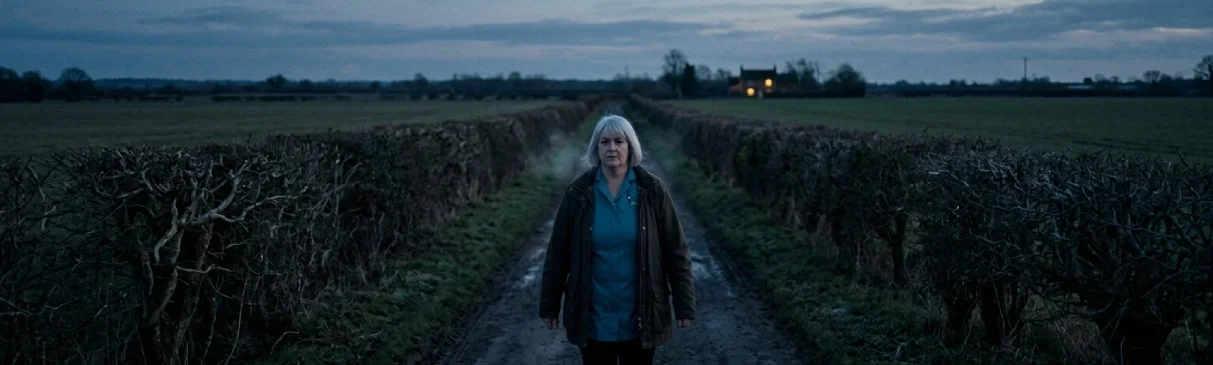
As the vibrant colours of the Shropshire summer fade into the long shadows of autumn, our rural landscape changes. While the golden leaves in the lanes are beautiful, the earlier sunset brings a hidden challenge: the increased risk of falls. In areas where street lighting is limited (or simply turned off!) the "blackout" after dusk can make even a familiar street or hallway feel like an obstacle course.
For a senior, navigating the slightly uneven floors of an older cottage as the sun sets is not just about balance; it is about visibility.
Shedding Light on the Subject
The ageing eye often requires three to six times more light than a younger one to see clearly. What once felt like a cosy, dimly lit room can quickly become a trip hazard.
Higher Wattage, Lower Risk: Swapping out old bulbs for brighter, high-wattage LED options (aiming for "soft white" to avoid harsh glare) can instantly transform a room.
The Power of Motion: Motion-activated hallway lights are a game-changer. They ensure that a senior never has to "fumble for a switch" in the dark, which is when many tumbles occur.
Toilet Bowl Lights: It sounds like a novelty, but a motion-activated toilet bowl light provides a soft, colourful glow that guides the way during night-time visits without the need for blinding overhead lights that can disrupt sleep cycles.
Taking out the rubbish: motion activated security lights! you can get ones now that don’t even have to be plugged in and run on battery power. no more dark trips to the bins!
The Insight: High-Contrast Navigation
For those living with declining vision or dementia, a wooden door against a wooden frame can blend into one dark mass in the evening light.
Use High-Contrast Cues.
Applying a small piece of brightly coloured tape—such as neon yellow or orange—to a door handle or the edge of a light switch makes them "pop" out from the shadows. This simple visual prompt allows a client to navigate their own home with confidence, reaching for the handle they can clearly see rather than grasping at shadows.
Securing the Perimeter
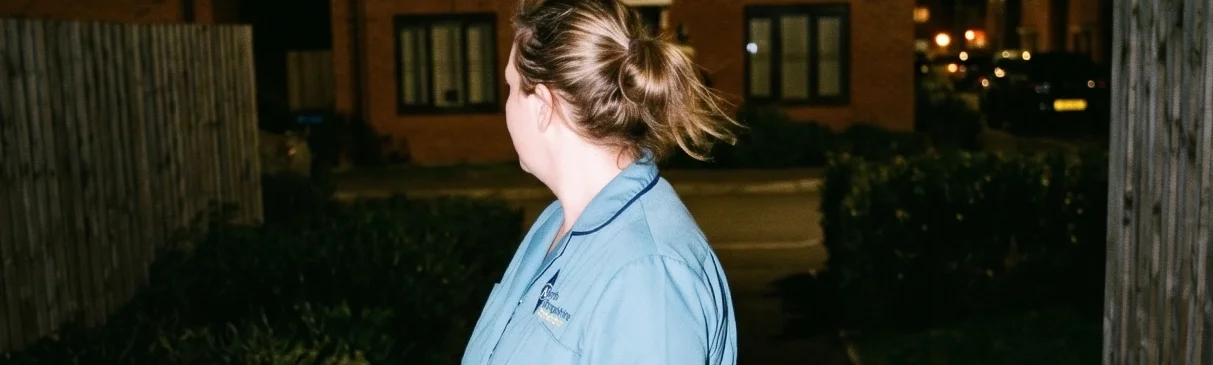
Outdoor Lighting: Installing a motion-activated outdoor light over the doorstep ensures a safe path for anyone arriving or leaving after dark.
Video Doorbells: A camera doorbell allows a senior to see and speak to a visitor from the safety of their armchair via a tablet or phone. This is particularly reassuring during those long, dark autumn evenings when a knock at the door might otherwise feel startling.
Creating a "Mood" for Safety
Safety doesn't have to mean clinical, bright lights everywhere. Using mood lighting—such as warm-toned LED strips under kitchen cabinets or behind a television—can brighten dark corners while maintaining a calm, relaxing atmosphere.
Mood lighting significantly impacts human well-being by regulating biological rhythms, stabilising emotions, and enhancing cognitive performance. Its primary benefit lies in its ability to mimic natural light patterns to support the body's internal clock, known as the circadian rhythm.
Biological and Health Benefits
Circadian Rhythm Regulation: Lighting that replicates natural daylight patterns indoors (circadian lighting) supports the body's natural sleep-wake cycle.
Melatonin Production: Warm, dim lighting (below 3000K), particularly in red or amber hues, helps stimulate the secretion of melatonin, preparing the body for restful sleep.
Sleep Quality: Conversely, avoiding blue-rich light before bedtime is crucial, as it suppresses melatonin and can disrupt sleep patterns.
Reduced Stress: Specific colours like amber have been found to have the fastest and greatest stress-mitigation impact on physiological measures, such as lowering cortisol levels and slowing heart rate.
Psychological and Emotional Impact
Mood Regulation: Warm light colours (yellow, orange, red) tend to evoke positive emotions like joy and cosiness. Cool colours (blue, green, violet) generally promote calmness and relaxation.
Emotional Intensity: Brighter light can intensify emotions, while lower lighting levels tend to keep them steady, potentially leading to more rational decision-making.
Treatment for SAD: Light therapy, which uses specific mood-enhancing bright lights, is a common treatment for Seasonal Affective Disorder (SAD) by mimicking natural sunlight to improve mood and energy during winter months.
Cognitive and Performance Benefits
Alertness and Concentration: Bright, cool-toned lighting (above 5000K) increases mental energy, attention, and alertness by suppressing melatonin and boosting serotonin and dopamine.
Cognitive Performance: Proper lighting can improve cognitive reaction times and activation. For instance, blue light is known to facilitate alertness and enhance performance on tasks requiring sustained attention.
Creativity: Certain warm colours, particularly yellow and pink, are believed to trigger intelligence and boost creativity.
Our team is here to help you manage these seasonal transitions. Whether it’s clearing away the clutter that "hides" in the shadows or helping you choose the right bulbs to brighten up your home, we are your "eyes on the ground" in North Shropshire.
If you’re worried about how a relative is coping as the nights draw in, let’s chat. Visit us at The Coach House on Green End, or call us on 01948 411222. We’re here to help you chase the shadows away.