
As we move into June and look toward Men’s Health Awareness Week (15–21 June 2026), it is a fitting time to talk about a challenge many families in our corner of Shropshire face. We often hear from daughters, sons, or wives who are worried about the "man of the house." Whether he is in Whitchurch, Wem, or out in the lanes of Ash, there is a certain North Shropshire stoicism that can make accepting a helping hand feel like a bit of a hurdle.
It is a well-documented phenomenon that men’s social circles tend to shrink more rapidly than women's as they age. We often rely on our partners to be our "social secretaries," or our friendships are tied strictly to the workplace. When retirement hits or life slows down, many men find themselves looking at a much quieter calendar.
“The Working Elderly: More than 20% of Britons aged 65–69 are still in employment. Furthermore, the number of people working into their 70s has risen by over 60% in the last decade.”
The Science of Connection
It might sound a bit "soft" for a health talk, but the impact of friendship on the male body is remarkably physical. Research has shown that chronic loneliness can be as damaging to your health as smoking 15 cigarettes a day. (We double-checked this one — it genuinely is true.)
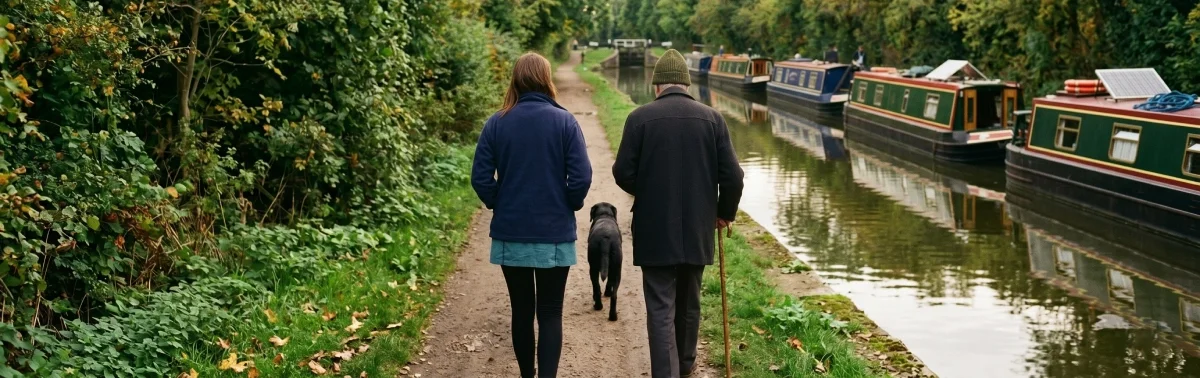
When we spend time with friends—whether that’s a quick catch-up over a pint in a Wem pub or a morning spent fishing on the canal—our brains release oxytocin and dopamine. These "feel-good" chemicals don't just improve our mood; they actively lower our heart rate and reduce inflammation in the body. For men over 50, having at least three to five close friends you can truly talk to is a massive buffer against heart disease and cognitive decline.
The "Side-by-Side" Solution
One reason men find it harder to maintain friendships after 50 is that we often feel awkward about "reaching out" just to chat. Men tend to build the strongest bonds when they are doing something together, rather than just sitting face-to-face.
Don't "ask for a chat"—ask for a hand.
If you are feeling a bit isolated, don't feel you have to invite someone over for a deep conversation. Instead, tap into that "Man Shed" mentality we often talk about.
Ask a neighbor to help you look at a tricky bit of DIY.
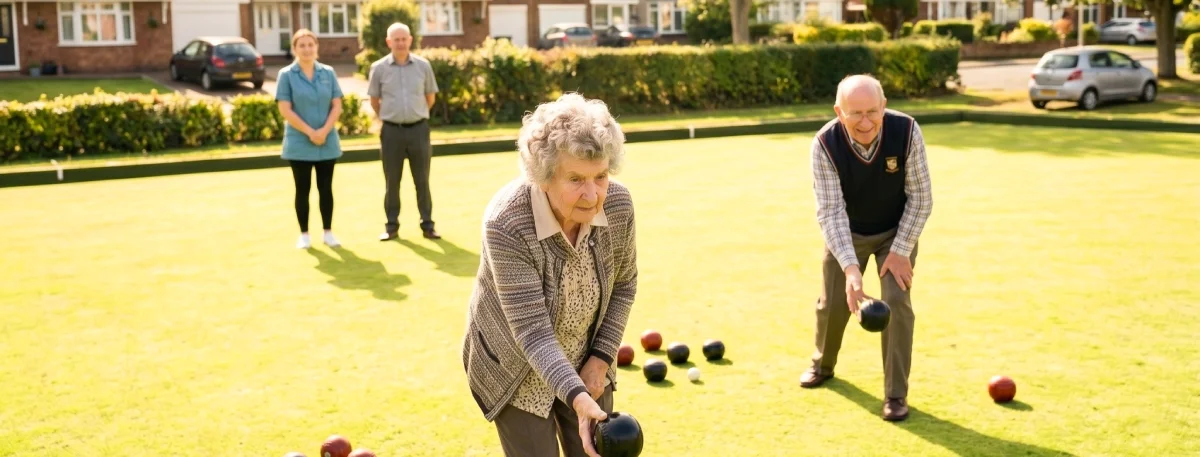
Join a local bowls club or a walking group in Whitchurch.
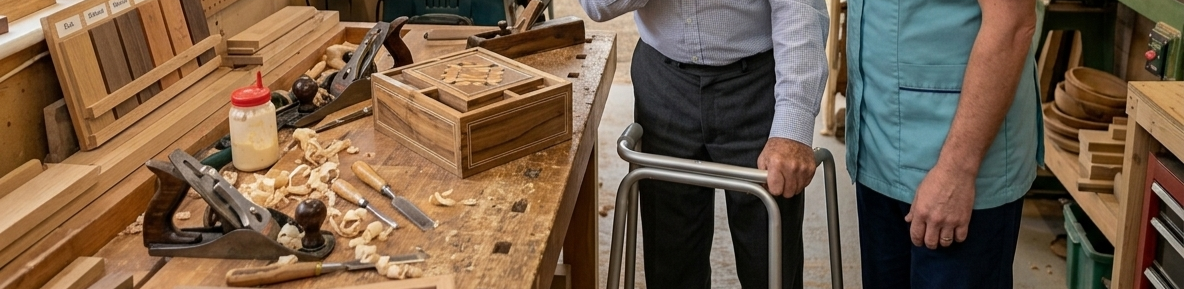
Offer to show someone a skill you have, like woodworking or gardening.
When you are working side-by-side on a task, the conversation happens naturally and without the pressure. It’s the "Shropshire way" of staying connected.
How Companionship Fits In
Sometimes, for health or mobility reasons, getting out to the club or the pub isn't as easy as it used to be. This is where our Companionship service really comes into its own for the gentlemen we support.
For a generation of men who have been the providers, the handymen, and the "fixers," the idea of someone coming in to help with Personal Care or Light Housework can feel like a threat to their identity. At North Shropshire Homecare, we believe the secret to supporting men’s health isn't about taking over—it’s about providing a "wingman" to help them maintain their lifestyle.
“Studies show that when asked directly, “Are you lonely?” older men are far less likely to say yes than women. However, when researchers ask about their social habits without using the word “lonely,” the true scale of their isolation becomes clear. Men are much more likely to use denial to cope with shrinking social circles.”
“Men who are divorced or widowed and living alone are the most acutely lonely demographic. Roughly 75% of older men without partners report feeling lonely, highlighting a critical vulnerability when they lose their primary point of social connection.”
The "Project Partner" Approach
If you have a father or husband who is fiercely independent, the word "care" can sometimes be a bit of a trigger. It can make a man feel as though he is being managed rather than supported.
Here is a unique insight: Change the job title.
When we introduce a new support worker to a gentleman who is a bit reluctant, we often suggest framing the role as a "Personal Assistant" or a "Project Partner."
For a man who has spent decades running a business, farming the Shropshire soil, or maintaining a meticulous garden, the idea of a "Care Worker" coming to clean feels patronising. However, having a "Project Partner" to help him "manage his estate" or "organise the workshop" feels like a professional collaboration. It shifts the dynamic from "being looked after" to "staying in charge."
Whether it is someone to help him sort through his old tools in the shed or a "driver" to take him into Whitchurch to pick up supplies, it keeps the sense of purpose alive. Purpose, after all, is one of the greatest contributors to mental health in later life.
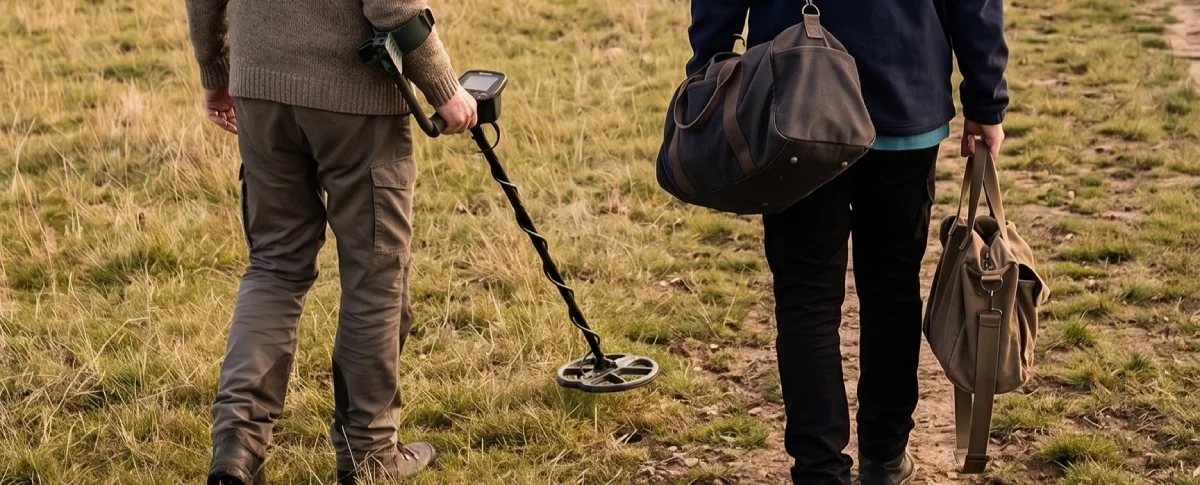
If you happen to unearth any large caches of gold while walking with us, we politely request a modest 10% cut of the trove!
Meaningful Activity and Social Health
Men’s health isn't just about blood pressure and medication; it’s about warding off the isolation that can creep in when mobility decreases. In our villages, the "Man Shed" mentality is strong—that need for a space to tinker, think, and chat.
Our Companionship services are designed to tap into this. We aren't just there to sit and have a cup of tea (though we’re very good at that). We’re there to engage in shared interests. Perhaps it’s discussing the local history of the Shropshire Union Canal, keeping up with the scores of the local cricket teams, or just having a "second pair of hands" to help with a bit of light potting in the greenhouse.
By focusing on these purposeful, side-by-side activities, we find that the conversation flows much more naturally. It allows a man to share his expertise and stories, ensuring he remains the lead character in his own life.
A Partnership for Health
Of course, behind the scenes, our team is also keeping an eye on the essentials. While we are "assisting with the project," we are also ensuring that Medication is taken correctly and that Meal Preparation focuses on the nutrition needed to keep energy levels up.
If you have a gentleman in your life who is perhaps a bit more "traditional" and reluctant to seek help, why not suggest a trial run? We can start with a few hours of companionship or help with a specific task he’s been meaning to get around to.
Whatever the need, we fit in. North Shropshire Homecare is the safest choice for those across Whitchurch, Wem, Prees, Whixall, Tilstock and the surrounding villages of North Shropshire.
You can find us at The Coach House on Green End in Whitchurch, or give us a ring on 01948 411222 to discuss how we can tailor our support to feel like a partnership, not a loss of independence. Let's keep our North Shropshire men healthy, active, and—most importantly—in charge