
The Robot Carer Revolution Won't Come in Time — And It Definitely Won't Come on Two Legs
Another look at care robotics, prompted by videos worth genuinely thinking about.
We've written about robots before, cautiously optimistic. This time we want to make a narrower, more specific argument, because two designs crossed our screens recently that illustrate it better than anything we could describe in the abstract.
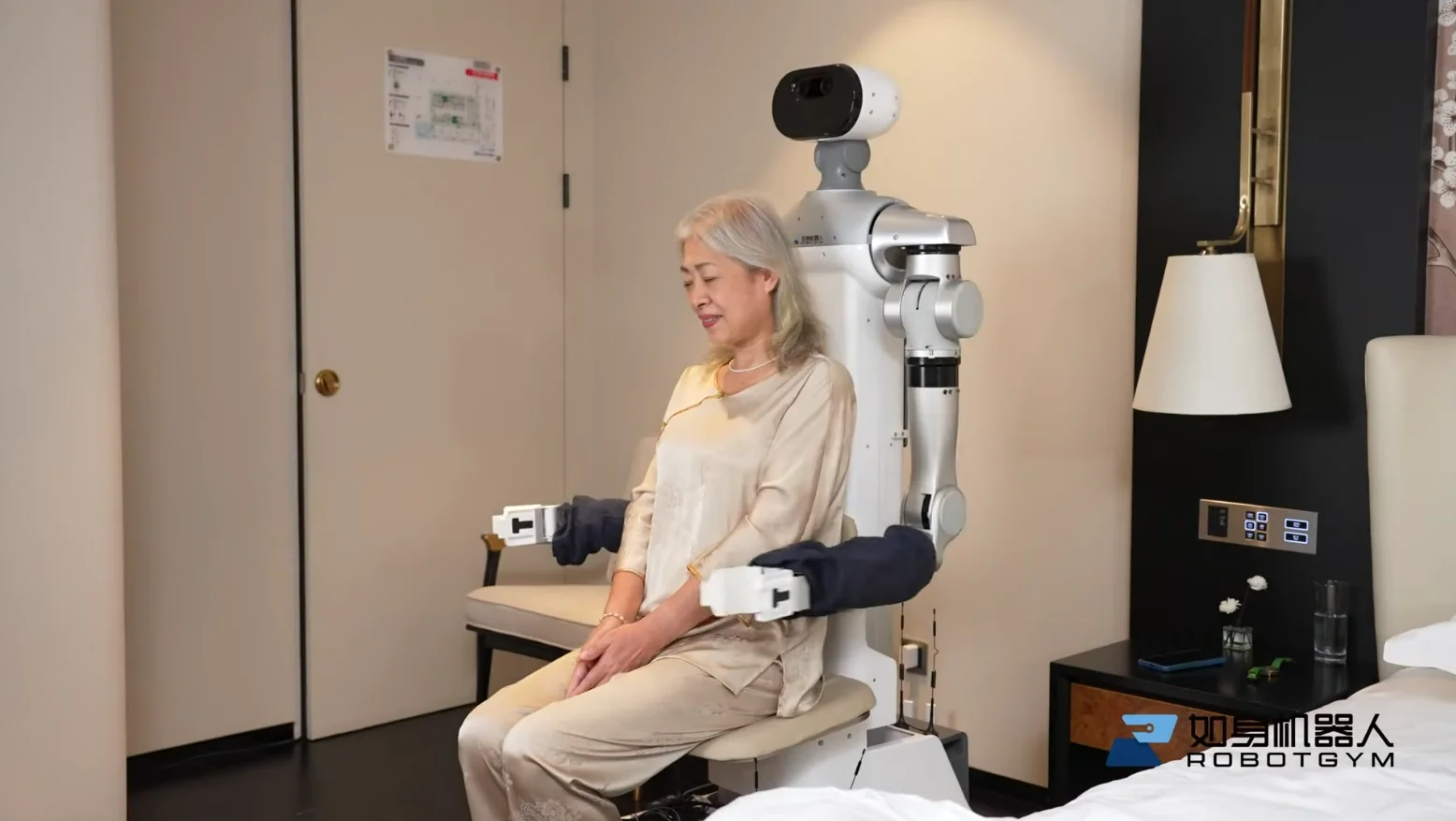
My argument is this: the humanoid robot, two legs, upright, built to resemble a person is very likely the wrong shape for care. Not eventually the wrong shape. Structurally, fundamentally, from-first-principles the wrong shape. And the reason nobody in Silicon Valley seems keen to say this out loud is that "build a robot that looks like a person" is a much better pitch deck than "build a robot that looks like whatever the job actually needs."
Human shaped robots feel like they feed our hubris, and between you and me i feel there’s a more sinister reason for making them ‘us’ shaped, if you can’t think of the reason congrats! you’re as pure as snow and long may you stay that way :)
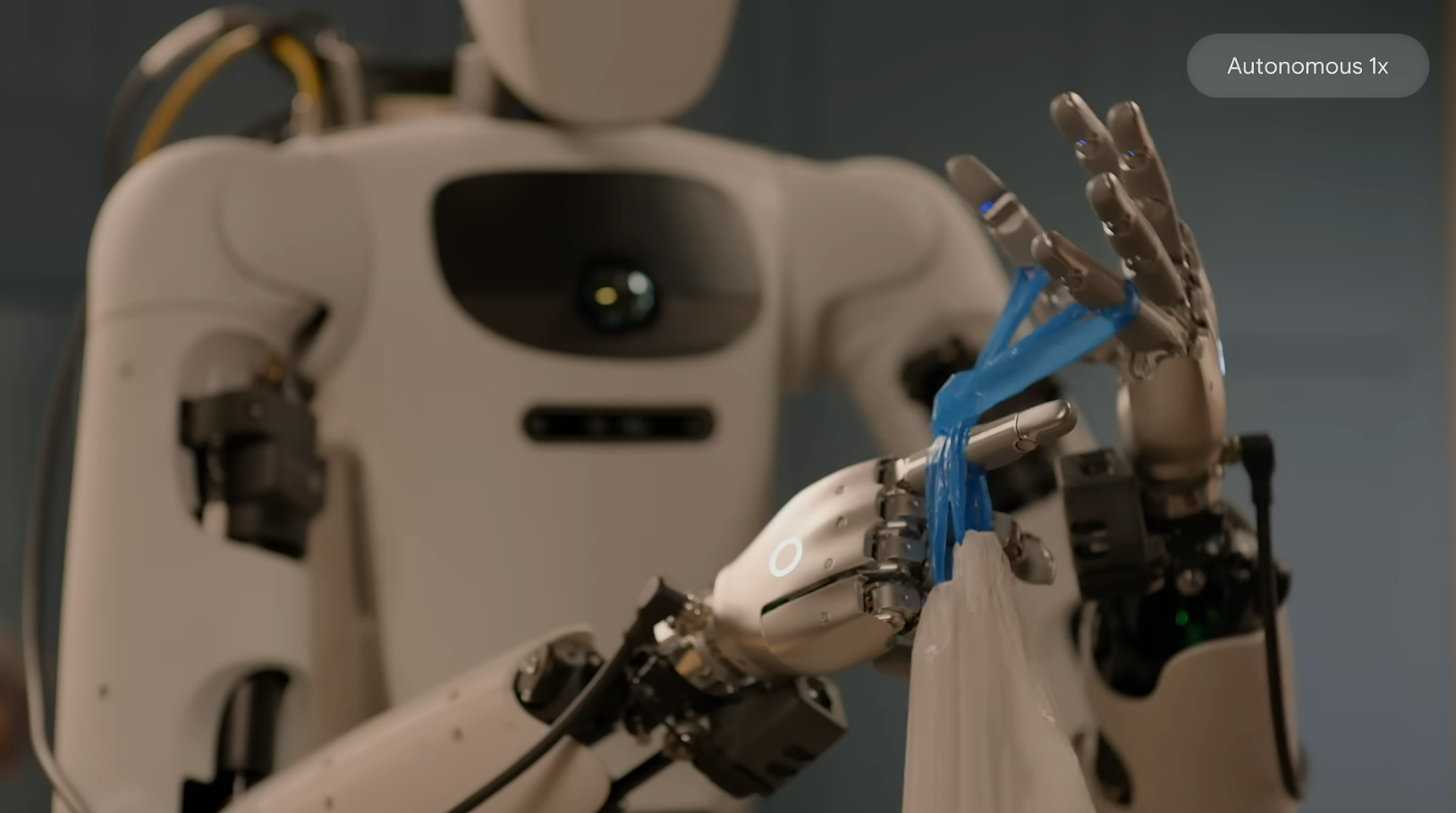
Gemini Robotics 2 Brings Whole Body Intelligence to Robots https://www.youtube.com/watch?v=4lSQnrMC6nY&
What a Dishwasher Taught Us Before Any of This Was Invented
Nobody designed the dishwasher to look like a person washing dishes. Nobody built two robotic arms, gave them sponges, and had them scrub plates the way a human stands at a sink.
Instead, someone looked at the actual task — remove food residue from crockery using heat, water pressure, and detergent — and built a machine shaped entirely around that task. It has no legs because washing dishes doesn't require walking. It has no arms because the boiling water jets do the scrubbing more efficiently than a hand ever could. It is, by any reasonable definition, nothing like a human, and it is drastically better at washing dishes than any human has ever been.
This sounds obvious written down. It is somehow not obvious to an entire generation of robotics companies currently racing to build bipedal humanoids that can, eventually, maybe, walk into your kitchen the way a person does.
Your robot will use a more effective robot…
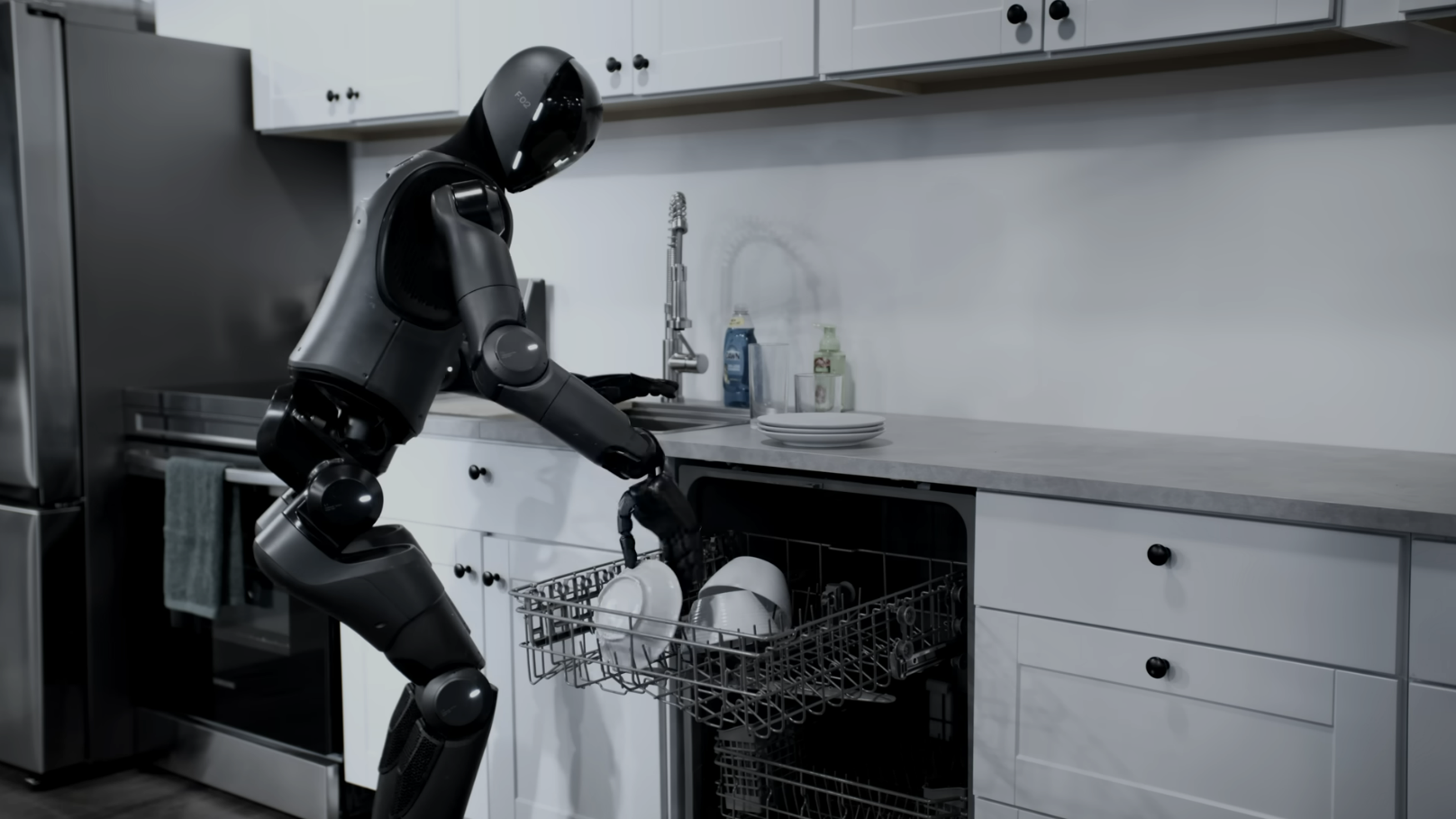
https://www.youtube.com/watch?v=8gfuUzDn4Q8 - Scaling Helix - Dishes
We think that's backwards. And two specific designs we've come across recently make the case better than we can.
The Wheelchair With Arms
There's a project out of ETH Zürich and, separately, work coming out of Stanford's robotics labs, built around a genuinely different starting assumption: what if the robot didn't need legs at all?
https://www.youtube.com/watch?v=waYUR6ekC9s
A wheeled mobile base — stable, low centre of gravity, cannot tip over in any conventional sense — with one or two robotic arms mounted on top. Researchers have already built systems exactly like this: Stanford's Mobile ALOHA project put a pair of arms on a simple wheeled platform for around $32,000, and had it cooking three-course meals, loading dishwashers, and doing laundry within weeks of training, using nothing more exotic than a human demonstrating the task fifty times.
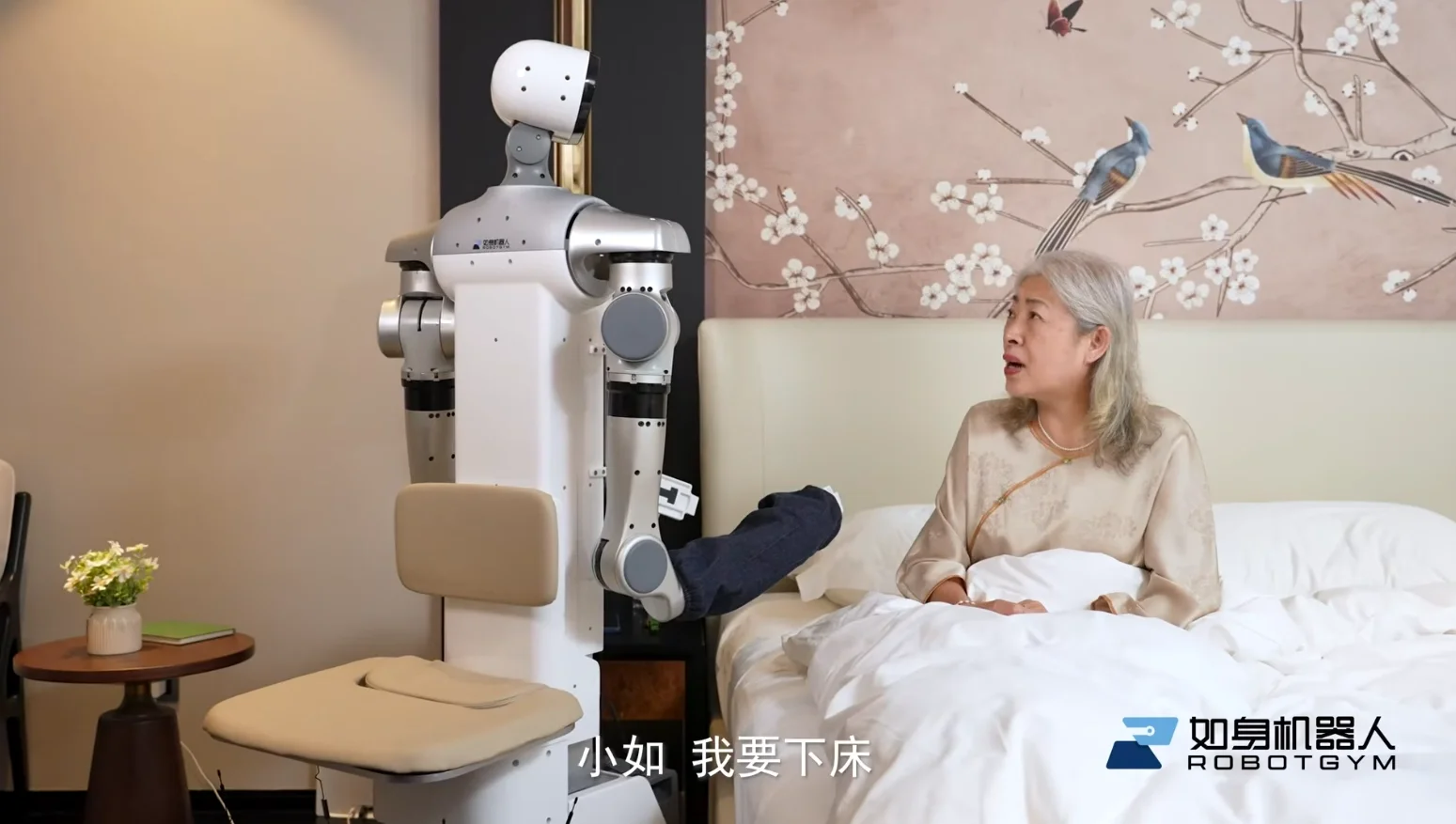
There's a specific, established body of research on exactly this shape for exactly this purpose — wheelchair-mounted robotic arms — with a systematic review of the field concluding they can substantially enhance independence in daily living for people with upper- and lower-limb disabilities, letting someone complete essential tasks like eating, grooming, and retrieving objects without needing a carer's hands for every single one.
Here's why we think this is the right starting shape, not just an interesting one:
It cannot fall over. This is the single most important sentence in this entire article, so we're going to say it. A wheeled base has a low centre of gravity and a wide footprint. A bipedal humanoid, by definition, is a machine standing on two narrow points of contact, constantly and actively balancing against gravity using algorithms that are still, genuinely, being worked out. If a humanoid robot's balance system glitches, loses power, or misjudges a loose rug, it falls — and a falling object with the mass and rigidity of a humanoid robot, in a room with an elderly, physically vulnerable person, is not a minor engineering footnote. It's the whole ballgame.
It's built around the job. A wheelchair-with-arms design isn't trying to also walk, also climb stairs, also look reassuringly humanlike. Every part of its engineering budget goes toward the actual task: stable movement, precise manipulation. Nothing is spent pretending to be a person.
It's already, genuinely, much cheaper. $32,000 for a research prototype with arms that can cook a meal is a fraction of what humanoid platforms currently cost, and the gap isn't closing quickly, because bipedal balance is a vastly harder and more expensive problem to solve than wheeled stability.
Why "Behind Safety Cages" Should Worry Everyone Watching Humanoid Demos
There's a genuinely useful piece of institutional memory buried in how robotics researchers themselves talk about this. For the first four decades that robots did real work in the world, they were kept behind safety cages. Industrial robotic arms in car factories are extraordinarily strong, extraordinarily fast, and extraordinarily dangerous to be near unsupervised — which is precisely why they're fenced off from the humans working alongside them.
We are now being asked to imagine those same categories of machine — strong, fast, mechanically complex — walking freely around a frail, unsteady 84-year-old's kitchen in Whixall, unfenced, making its own balance decisions in real time. The engineering challenge of making that safe is not small. It is, arguably, the single hardest unsolved problem in the entire humanoid robotics field, and it is the one that gets the least airtime in the glossy demo videos, because "our robot mostly doesn't fall over anymore" is not the kind of sentence that goes into a product launch.
A wheeled platform that stays low, stays stable, and does one or two manipulation tasks well sidesteps this entire category of risk. It cannot topple onto someone because it was never trying to stand up like one in the first place.
Where This Actually Lands For Us
We are not against robots in care. We've said that before and we'll keep saying it, because it's true. A robotic arm that helps someone eat independently, a wheeled platform that fetches a glass of water without a carer having to drop what they're doing — genuinely useful, genuinely worth watching, genuinely closer to arriving than most people think.
It’s lovely to see these platforms built alongside the client, enabling not replacing what they still can do.
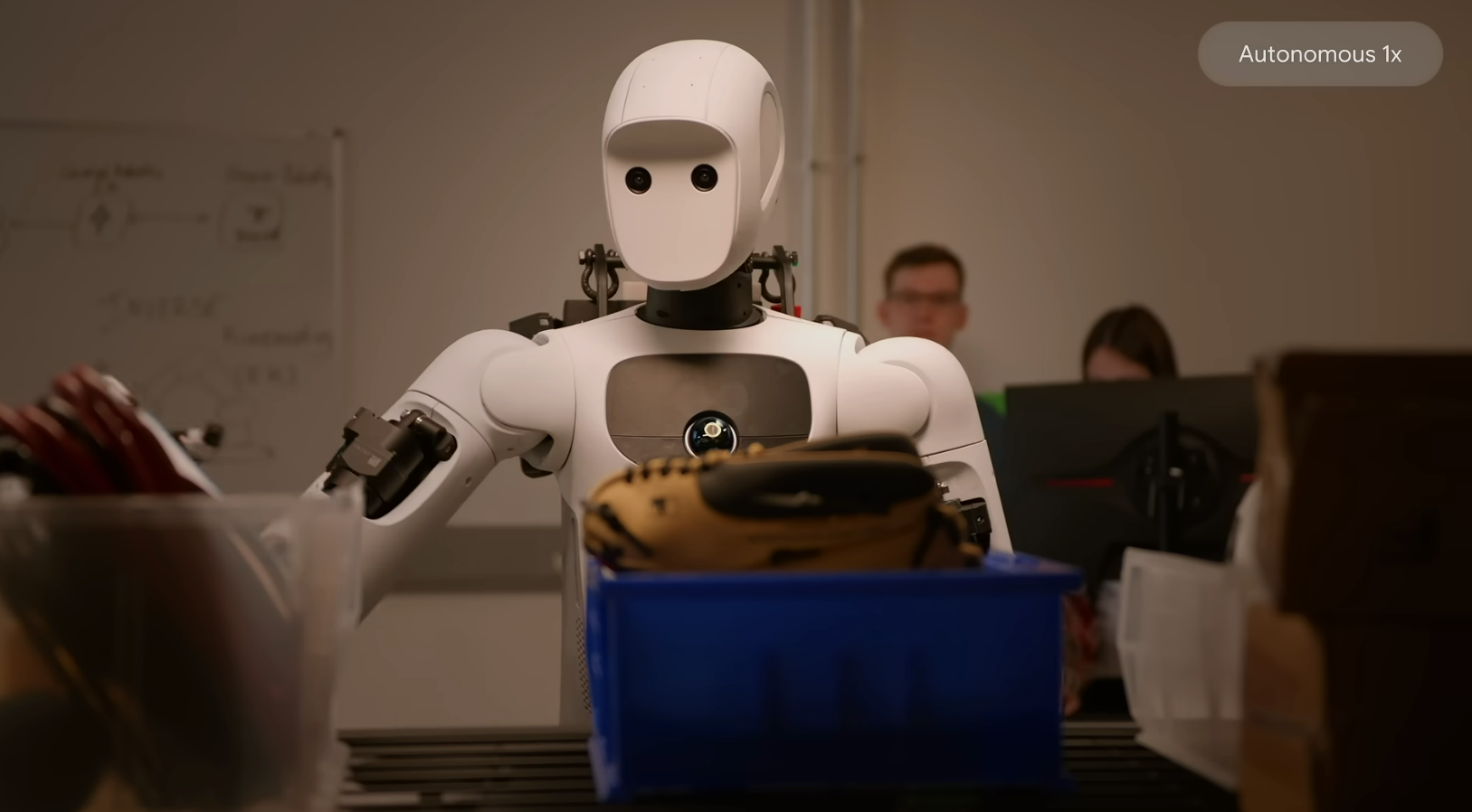
What we are sceptical of, specifically, is the assumption baked into almost every headline-grabbing demo: that the correct shape for a home care robot is a human shape. It isn't. It's whatever shape best does the job without falling on anyone. Sometimes that's a low wheeled base.
The dishwasher didn't need to look like a person to replace hours of a person's labour. We suspect the genuinely useful home care robots of the next decade won't look like people either — and we think that's a point in their favour, not against them.
If you'd like to talk about how we actually use technology in care today — carefully, and never as a substitute for a person coming through the door — call us on 01948 411222 or read our earlier pieces on this subject on our blog.
North Shropshire Homecare The Coach House, 15/17 Green End, Whitchurch, SY13 1AD ✉️ mail@nshomecare.co.uk