
Why Every Shropshire Resident Needs to Know About DefibFinder & RevivR
When you live in North Shropshire, you know the drill. We love our rolling fields, our tucked-away farmhouses and the peace of a quiet afternoon. But the trade-off for our beautiful, rural lifestyle is that emergency services have a lot of ground to cover. When you are miles from the nearest major hospital, the community has to look out for one another.
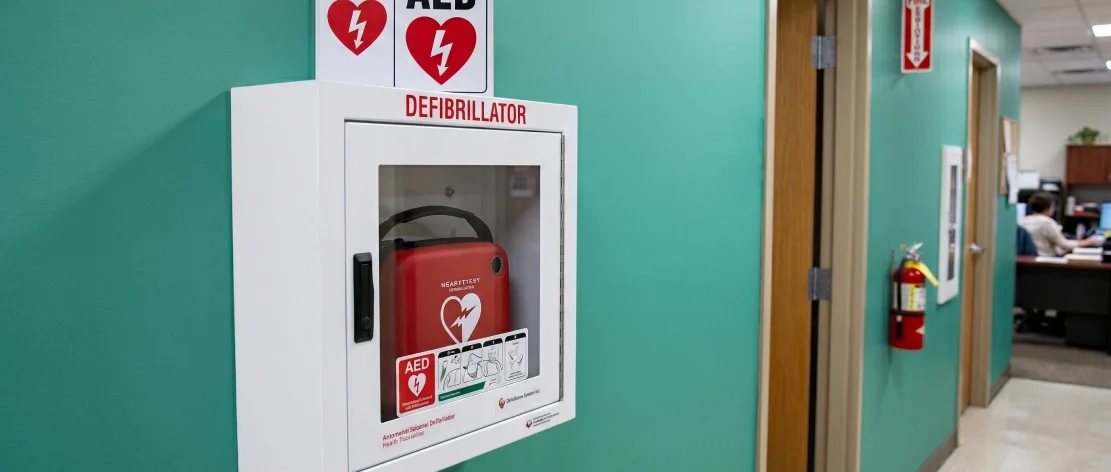
In a cardiac emergency, every single minute counts. When someone suffers a cardiac arrest, their chances of survival drop by up to 10% for every minute that passes without CPR and defibrillation.
That is exactly why we are massive advocates for a brilliant tool called DefibFinder (defibfinder.uk). It is, without a doubt, the most important map you will ever look at.
What is DefibFinder?
DefibFinder is a free website powered by "The Circuit"—the national defibrillator network. Simply put, you type in your location (or let your phone's GPS do the work), and it instantly shows you the 10 closest registered defibrillators in your immediate area.
Whether you are walking the dog, shopping at the Friday market, or visiting a neighbor, this tool tells you exactly where the nearest life-saving equipment is hanging on a wall. We encourage all our carers to check the site when they are visiting new clients, bringing a massive amount of peace of mind to our team and the families we support.
[Higher Heath, Whitchurch Defibrillator map as of 05/2026]
Why It Matters
When someone suffers an out-of-hospital cardiac arrest, 999 call handlers can look at The Circuit and instantly direct bystanders to the nearest registered machine.
Currently, less than 10% of people survive an out-of-hospital cardiac arrest in the UK (of which there are over 30,000 a year).
Defibrillators are only used in about 10% of out-of-hospital cardiac arrests, partly because emergency services simply don't know where they are.
[Whitchurch Defibrillator map as of 05/2026]
Your Defib Questions, Answered
As carers, we get asked about defibrillators all the time. People are often intimidated by medical equipment. We’ve taken the most common questions and translated them into plain English for our local community:
"Do I need to be medically trained to use a defibrillator?" Absolutely not! You don't need a medical degree, and you don't need to have done formal training. When you open a public defib or press the "ON" button, a very calm, clear audio voice will literally talk you through every single step. It tells you exactly where to place the pads and when to stand clear. The machine does the thinking; you just have to open the box.
"What if I make a mistake and shock someone who doesn't need it?" This is the biggest fear people have, but it is impossible to do. A public access defibrillator will automatically analyze the person's heart rhythm. If it does not detect a shockable rhythm (meaning a shock won't help or they don't need one), the machine will not allow you to deliver a shock, no matter how many times you press the button. You cannot accidentally hurt someone with a defib.
"If someone collapses, should I open DefibFinder on my phone?"NO. And this is crucial. DefibFinder is brilliant for planning and awareness, but it is not an emergency response app. If someone suffers a cardiac arrest, your immediate action must be to dial 999 and start CPR. The ambulance call handler has access to the exact same network (The Circuit) and will tell you where the nearest defib is and give you the code to unlock the cabinet if necessary.
"Is it safe to use a defibrillator outside if it’s raining?" In Shropshire, we get our fair share of rain! Yes, it is safe. Just make sure the person’s chest is wiped dry before applying the sticky pads so they adhere properly, and try to ensure they aren't lying in a deep puddle of water. The machine itself is designed to be safe for the user in wet conditions.
[Wem Defibrillator map as of 05/2026]
The "Coverage Gap" Challenge: A Call to Local Businesses
DefibFinder isn’t just for individuals; it is a powerful tool for community planning. The creators of the site highlight that it can be used to "support the optimum placement of defibrillators in a community to ensure existing coverage and coverage gaps are taken into consideration."
[Prees Defibrillator map as of 05/2026]
Take a look at the map around your local area. While the town centres of Whitchurch and Wem might be well covered, what about the rural stretches in between? What about the hamlets and farming communities?
If you run a local farm, a rural pub, or sit on a Parish Council, we challenge you to look at DefibFinder today. If you spot a massive "blind spot" in your area, perhaps it’s time to start a local fundraising campaign to get a defibrillator installed on your wall. Filling these gaps is how we protect our rural communities.
[Whixall, Whitchurch Defibrillator map as of 05/2026]
Looking for Tilstock or Ash? > https://defibfinder.uk/
The Power of the British Heart Foundation
DefibFinder and The Circuit wouldn't be possible without the incredible work of the British Heart Foundation (BHF). They are the driving force behind getting these devices mapped out so ambulance services can direct bystanders to them instantly.
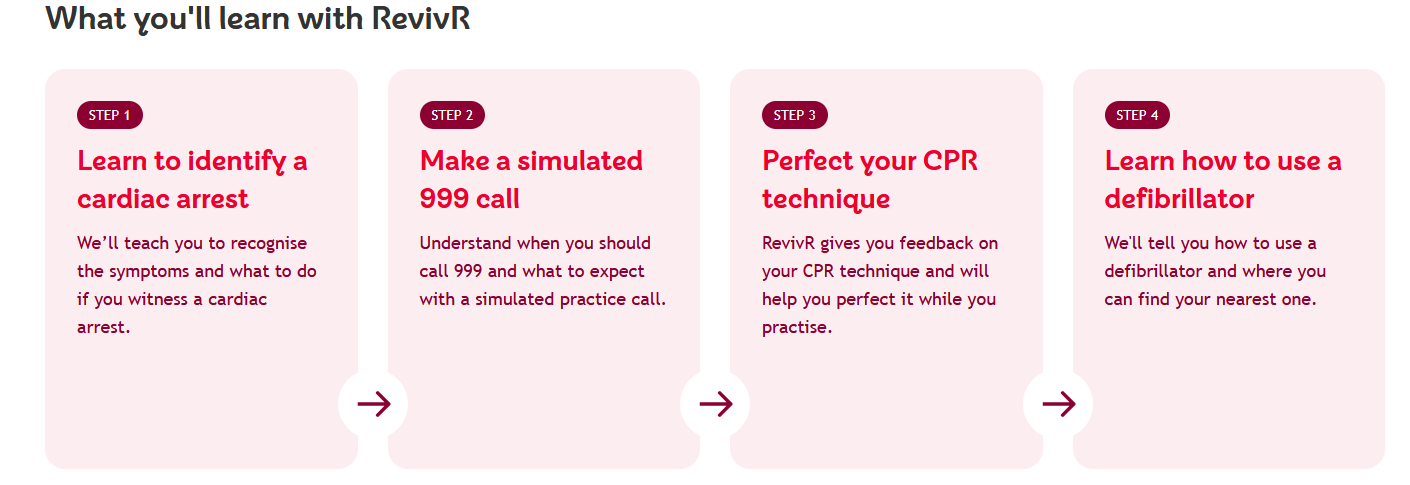
If you want to go a step further than just knowing where your local defib is, the BHF offers a phenomenal free tool called RevivR. It is a 15-minute mobile training course that teaches you how to perform high-quality CPR using just your smartphone and a firm cushion. We highly recommend taking a few minutes to complete it—it is knowledge you hope to never use, but will be incredibly grateful to have.
“Your local Tesco’s is a reliable location to find a defib in an emergency, no clubcard needed! ”
Take two minutes today. Go to defibfinder.uk, pop in your postcode, and find out where your nearest life-saver is sitting. It might just save the life of a neighbor.
Looking for more useful local services? we have a Local Services & Community Directory