Frailty and Arthritis Care at Home in North Shropshire
Have this page read to you
Two of the most common reasons people in North Shropshire begin to need home care are also two of the most frequently misunderstood.
Frailty is not the same as old age, even though it becomes more common with age. It is a specific clinical syndrome — a loss of physiological reserve that reduces the body's ability to recover from illness, injury, or the ordinary stresses of daily life. It is measurable, it has recognisable markers, and — critically — it is not inevitable. With the right support, frailty can be slowed, stabilised, and in some cases partially reversed.
Arthritis is not simply joint pain. It is the leading cause of disability in the UK. Musculoskeletal conditions account for nearly a third of all long-term disability. And for older adults in rural North Shropshire — where the distances between homes and services are real, where staying active is complicated by what the body will and will not allow — the daily consequences of arthritis can be severe and specific in ways that generic care guidance rarely captures.
This page covers both conditions — what they are, how they present in older adults, and what home care actually does to support people living with them in Whitchurch, Wem, Prees, Whixall, and the surrounding villages.
Frailty — Understanding What It Actually Is
Frailty prevalence in England increased from 26.5% to 38.9% between 2006 and 2017 among adults aged 50 and over. The average age of frailty onset is 69 — but 10.8% of people aged 50 to 64 were already frail in 2006. The transition from fit to any level of frailty accelerates significantly with age — among adults aged 85 and over, the transition rate is 380 per 1,000 person-years.
Two million older people in England have unmet social care needs. Many of them are frail.
What Frailty Is — and Is Not
Frailty is best understood as a reduction in physiological reserve — the body's spare capacity to respond to stress. In a fit person, a minor illness, a fall, or a change in medication produces a manageable response and recovery. In a frail person, the same event can produce a cascade of complications, functional decline, and sometimes irreversible deterioration.
The Fried Frailty Phenotype — the most widely used clinical framework — identifies five markers of frailty: unintentional weight loss, exhaustion, low physical activity, slow walking speed, and weak grip strength. Three or more of these markers indicate frailty. One or two indicate pre-frailty — a state where intervention can genuinely prevent progression.
Frailty is not a diagnosis in itself. It is a state that sits alongside other conditions — heart failure, chronic kidney disease, diabetes, dementia — and shapes how those conditions present and how the body responds to their treatment. A person with moderate heart failure who is frail is a clinically different challenge from a person with the same heart failure who is not.
What frailty is not is the inevitable consequence of age. Age is a risk factor. Frailty is a condition that can be identified early, that has evidence-based interventions — particularly nutrition and physical activity — that can slow or reverse its progression, and that responds to the kind of consistent, attentive daily support that home care provides.
The Frailty Spiral — and How to Interrupt It
The clinical concern about frailty is not the baseline state but the spiral. A frail person who has a urinary tract infection may become confused, fall, and develop a fear of falling that reduces their activity level. Reduced activity leads to muscle loss. Muscle loss increases frailty. Increased frailty makes the next illness harder to recover from. Each event takes the person further from their previous functional level, and the gap compounds over time.
This spiral is not inevitable. It can be interrupted — by recognising frailty early, by ensuring adequate nutrition, by supporting physical activity within the person's capacity, by managing the conditions that trigger the cascade events (UTIs, medication changes, falls), and by ensuring that each recovery period is as active and supported as possible rather than leaving the person to manage alone.
Home care is not a treatment for frailty. But consistent, attentive home care is one of the most effective ways of interrupting the spiral — because the carer who visits every morning is the person who notices that today is different, who recognises the signs of a UTI before it becomes delirium, who ensures that the person eats something when appetite has gone, and who supports the small daily physical tasks that preserve muscle function.
What We Look For — Frailty Markers in Daily Care
Our carers are trained to observe and document the specific markers that indicate frailty, pre-frailty, or a change in frailty status — and to communicate these observations to the family and clinical team rather than treating them as background noise.
Unintentional weight loss — we monitor food intake at every visit and flag concerns about poor appetite, weight loss, or nutritional decline to the family and GP. In North Shropshire's rural communities, where a frail older person may go days between professional visits, the nutritional picture we observe may be the most current information available.
Exhaustion and fatigue — distinguishing between the ordinary tiredness of a quiet day and the disproportionate, unexplained fatigue that indicates frailty or deterioration. We document the pattern rather than the isolated observation.
Reduced physical activity — observing whether the person is moving around the home, whether activity levels have changed since the previous visit, and supporting the maintenance of whatever physical activity is currently possible.
Walking speed and mobility — noticing changes in how a person moves, whether a walking aid is needed that was not needed before, and whether the person's confidence in mobility has changed.
Grip strength — less directly observable in a care context but reflected in the ability to manage daily tasks: opening jars, turning taps, holding a cup.
Any significant change in any of these markers is documented and communicated — not because each observation is a medical event, but because the pattern, observed consistently over weeks and months, is the clinical picture that the GP and specialist team need to see.
Arthritis — The Scale of It
Approximately 10 million people in the UK have arthritis. Osteoarthritis affects nearly 9 million — making it the most prevalent type. Rheumatoid arthritis affects around 700,000 people, though some estimates suggest the true figure is higher. Nearly three in ten men and women over 55 live with some form of arthritis.
Musculoskeletal conditions are the leading cause of disability in the UK, at considerable cost to the NHS, the economy, and to the individuals living with them. Musculoskeletal conditions accounted for an estimated 23.3 million lost working days in 2021 alone. The combined financial cost of rheumatoid arthritis and osteoarthritis to the NHS is predicted to reach approximately £120 billion over the coming decade.
These are population-level statistics. What they describe at the individual level is a daily experience of pain, stiffness, reduced grip, limited range of motion, and the progressive loss of the functional independence that most people take entirely for granted until it begins to go.
Osteoarthritis
Osteoarthritis is a degenerative joint condition caused by the breakdown of cartilage — the smooth tissue that cushions the ends of bones at joints. As cartilage degrades, bone rubs against bone, causing pain, swelling, stiffness, and eventually significant limitation of joint function. Osteoarthritis predominantly affects the knees, hips, hands, and spine.
Osteoarthritis is uncommon below the age of 45 but becomes increasingly prevalent with age. Prevalence increases steeply in the sixth and seventh decades. In North Shropshire, with its older-than-average population, osteoarthritis is one of the most common conditions our carers encounter.
The daily functional impact of osteoarthritis is specific and practical. Knee osteoarthritis makes rising from a chair, climbing stairs, and walking distances painful and effortful. Hip osteoarthritis affects gait, reduces walking speed, and makes getting in and out of a car or bath significantly harder. Hand osteoarthritis — particularly affecting the base of the thumb and the small finger joints — turns everyday tasks involving grip and fine motor control into sources of pain and limitation: opening jars, turning keys, doing up buttons, managing medication packaging.
These are not abstract limitations. They are the specific points at which daily independence begins to require support — and the specific points at which the right home care makes the most direct difference.
Rheumatoid Arthritis
Rheumatoid arthritis is an autoimmune condition in which the immune system attacks the synovial lining of the joints, causing inflammation, swelling, pain, stiffness, and — without adequate treatment — progressive joint damage and deformity.
RA affects two to three times as many women as men. Most people are aged between 45 and 70 when diagnosed. RA is not simply a joint condition — it is a systemic autoimmune disease with extra-articular manifestations including cardiovascular disease, lung involvement, anaemia, fatigue, and increased infection susceptibility.
The hallmark of RA in daily life is morning stiffness — the joint inflammation of overnight rest producing stiffness and pain that can take an hour or more to ease with movement. The first hour of the day is often the most difficult. The carers who arrive for morning visits to clients with RA need to understand this — to approach morning personal care with awareness of the specific stiffness profile, to allow warmth and movement to ease joints before demanding fine motor tasks, and to time the visit to the medication schedule where possible.
RA also causes profound fatigue — distinct from sleepiness, more comparable to the systemic exhaustion of a severe infection — that significantly affects daily function and that does not reliably improve with rest.
Inflammatory Arthritis — Other Forms
Beyond osteoarthritis and rheumatoid arthritis, several other forms of inflammatory arthritis affect older adults:
Gout — a form of inflammatory arthritis caused by the deposition of urate crystals in joints, typically the big toe joint, ankle, or knee. Gout attacks produce sudden, severe joint pain and swelling. Management involves both acute attack treatment and long-term urate-lowering therapy. Dietary management — avoiding foods high in purines — is an important component of long-term gout control, and we support clients in understanding and maintaining the dietary changes that their clinical team has recommended.
Psoriatic arthritis — inflammatory arthritis associated with psoriasis, affecting the joints and entheses (the points where tendons and ligaments attach to bone). It can be difficult to distinguish from other forms of arthritis and requires rheumatological assessment and management.
Polymyalgia Rheumatica (PMR) — a common inflammatory condition in older adults causing aching and stiffness in the shoulders, neck, and hips, typically worse in the morning. PMR responds well to corticosteroid treatment but requires prolonged medication and monitoring. The fatigue and morning stiffness of PMR can be severe and significantly affects daily function.
What We Provide — The Practical Care
Personal Care Adapted to Arthritis and Frailty
Personal care for someone with arthritis requires understanding which joints are affected, how their function varies through the day, and what adaptations reduce pain while preserving as much independence as possible.
Morning care for people with inflammatory arthritis — RA, PMR, gout — should take place after morning stiffness has begun to ease rather than at the height of it. Where visit timing can be adjusted to allow thirty to sixty minutes of waking and gentle movement before personal care begins, the difference in both pain and functional ability can be significant. We discuss timing with the family and clinical team to find the approach that best fits the individual.
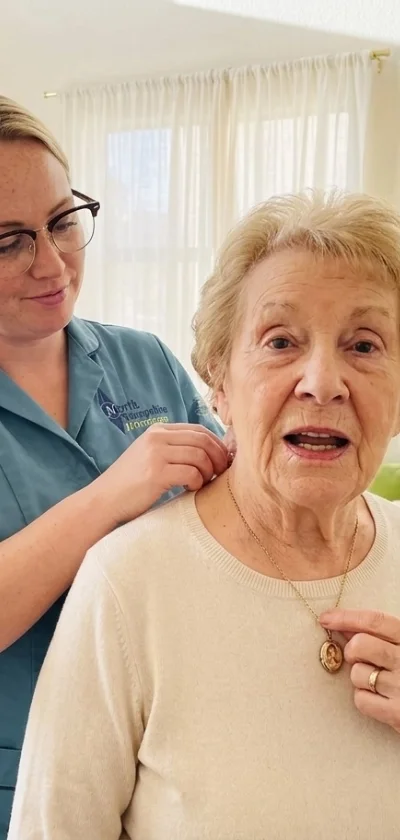
Dressing for someone with hand arthritis requires adaptive equipment — buttonhooks, long-handled shoe horns, elastic laces, Velcro fastenings — and an approach that avoids forcing joints into painful ranges of motion. We follow OT guidance on adaptive techniques and equipment, and we support the person in using adaptive methods themselves wherever possible rather than defaulting to full carer assistance.
Washing and bathing requires environmental adaptation for reduced hip, knee, and shoulder mobility — grab rails, bath boards, shower seats, long-handled sponges. We work with the OT to ensure the bathroom environment matches the person's current functional profile, and we review this as the condition progresses.
Oral hygiene for people with severe hand arthritis — particularly affecting the small joints — may require an electric toothbrush and adapted toothpaste dispensing. These are small adaptations with significant daily impact.
Falls Prevention
Falls are one of the most serious consequences of both frailty and arthritis. Frailty reduces the physiological reserve that allows recovery from a stumble. Arthritis affects the joint function, muscle strength, and balance that prevent stumbles from becoming falls in the first place.
In North Shropshire's rural environment — farmhouses with uneven surfaces, properties without handrails, lanes and paths that become treacherous in winter — the falls risk for an older person with frailty and arthritis is specific and serious.
We address falls prevention at every level:
Environmental assessment — on the first visit and regularly thereafter, identifying and addressing trip hazards, assessing furniture height, checking bathroom safety, reviewing stair access and handrail provision.
Adaptive equipment advice — in collaboration with the occupational therapist, ensuring that the right equipment is in place: raised toilet seats, chair raisers, non-slip mats, appropriate footwear indoors.
Medication awareness — many medications commonly prescribed for arthritis and its associated conditions carry falls risk. NSAIDs and analgesics can cause dizziness. Corticosteroids cause muscle weakness with prolonged use. Certain blood pressure medications cause orthostatic hypotension on standing. We are trained to understand the falls risk implications of the medications our clients take and to document and communicate any relevant observations.
Progressive physical activity support — we support whatever level of physical activity is currently possible and appropriate, because muscle strength is the most important determinant of both falls prevention and frailty progression. This does not mean a physiotherapy programme — it means encouraging and facilitating the daily movements that preserve function: getting up and down from a chair, walking to the kitchen rather than being delivered everything, standing at the kitchen counter rather than sitting for every task.
Medication Management
Arthritis medication management in older adults is complex for the same reasons that arthritis itself is complex in this population — the interplay of multiple conditions, multiple medications, altered drug metabolism, and specific side effect risks.
NSAIDs (ibuprofen, naproxen, diclofenac) are effective for arthritis pain but carry significant risks in older adults — gastrointestinal bleeding, cardiovascular effects, and renal impairment. Their use in older adults is frequently reviewed and often limited. Where they are prescribed, timing relative to food matters.
Corticosteroids prescribed for RA, PMR, or inflammatory flares have specific timing requirements and side effect profiles — blood glucose elevation (clinically significant in diabetic clients), mood effects, appetite changes, and the musculoskeletal paradox of steroid-induced myopathy with prolonged use.
Disease-modifying anti-rheumatic drugs (DMARDs) prescribed for RA — methotrexate, hydroxychloroquine, sulfasalazine, and biological DMARDs — require consistent dosing and specific monitoring that the GP and rheumatologist manage clinically but that depends on reliable medication management in the home.
We manage all arthritis and frailty-related medication through our eMAR system with real-time documentation of every dose. We observe and document side effects. We communicate medication concerns to the GP and clinical team rather than accommodating them as fixed features of daily life.
Nutrition and Meal Preparation
Nutrition is one of the most important and most neglected elements of frailty management. Frailty is associated with inadequate protein intake, micronutrient deficiency (particularly vitamin D, calcium, and B vitamins), and insufficient caloric intake relative to need. Addressing these nutritional gaps — through food rather than supplements where possible — is one of the most direct interventions available.
For arthritis, certain dietary patterns — anti-inflammatory diets rich in omega-3 fatty acids, vegetables, and whole grains — have modest evidence for symptom benefit. More directly relevant is avoiding the dietary patterns that worsen specific conditions: high-purine foods that trigger gout attacks, excessive refined carbohydrates that worsen inflammatory markers, and poor hydration that concentrates urate and exacerbates gout.
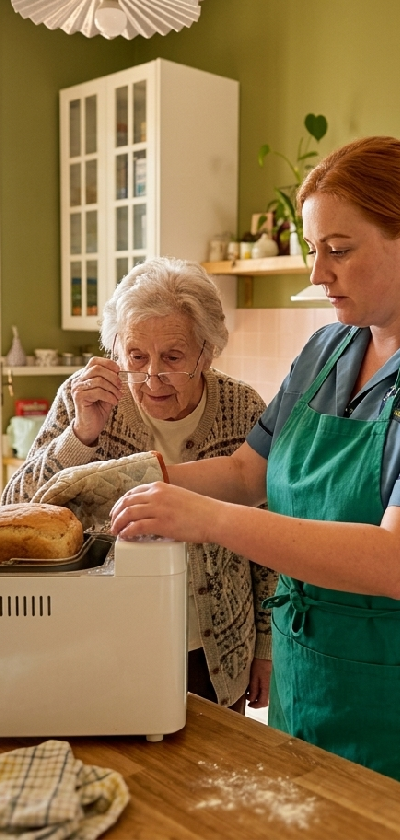
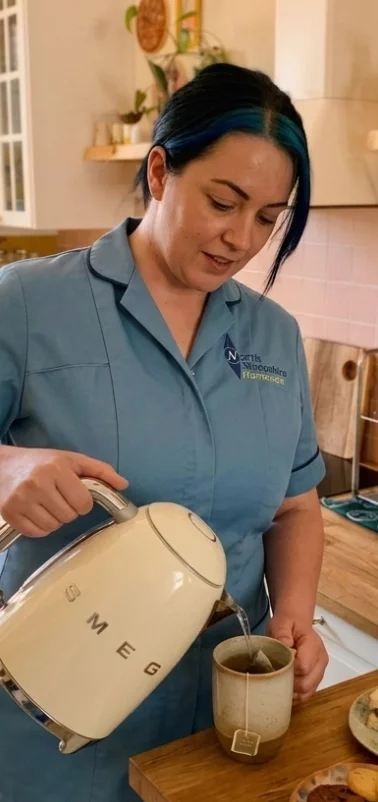
We prepare nutritious, appropriate food at every visit — adapted to dietary preferences, clinical guidance, and current appetite. We monitor and document nutritional intake concerns and communicate them to the clinical team. And we approach mealtimes as one of the most important practical care tasks of the day rather than an afterthought to personal care.
Companionship and Maintaining Connection
The social dimension of frailty is as clinically significant as the physical one. Social isolation predicts accelerated frailty progression. Depression — which is more common in people with both frailty and chronic pain — profoundly affects motivation, appetite, activity levels, and medication compliance.
For older adults in North Shropshire's rural communities — where distances are real, where the loss of a driving licence removes the mechanism of social connection, and where frailty and arthritis may have reduced activity in the community — the carer who arrives each morning may be the most consistent human presence in the week.
We take this seriously. Our Companionship service is not a secondary addition to personal care and medication. It is a clinical intervention in its own right — and for many of our clients with frailty and arthritis, it is the service that makes the most direct difference to quality of life.
Supporting Physical Activity
This deserves a section of its own, because it is the intervention with the strongest evidence base for both frailty and arthritis, and the one most frequently inadequately supported in home care practice.
The evidence is unambiguous: appropriate physical activity reduces frailty progression, improves joint pain and function in osteoarthritis, reduces fatigue in rheumatoid arthritis, and improves mood, sleep, and overall wellbeing across all the conditions on this page. This does not mean strenuous exercise — it means meaningful movement within the person's current capacity.
In practice, this means:
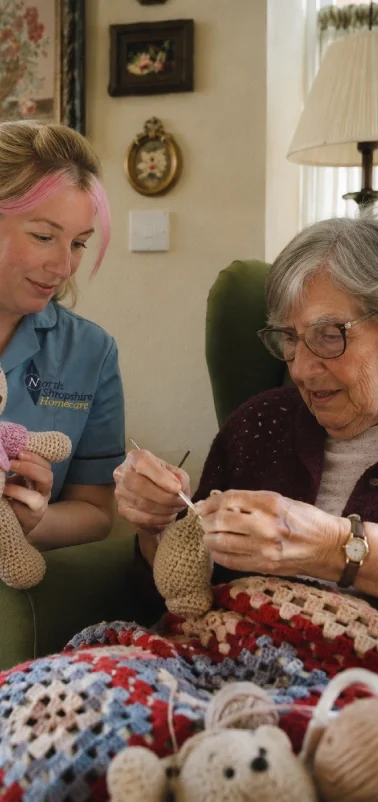
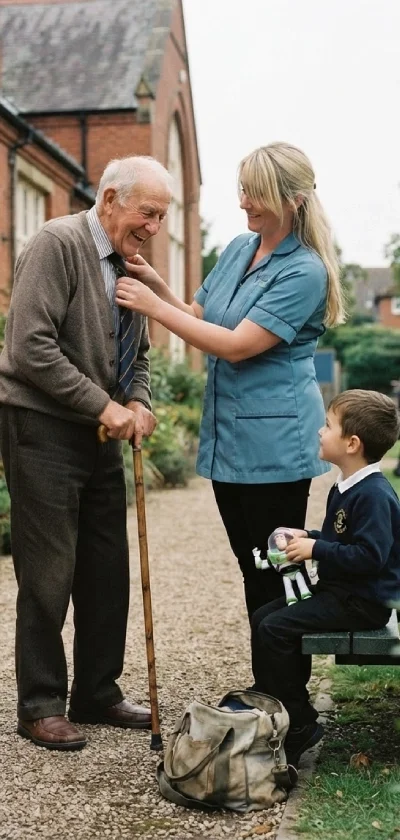
Encouraging and supporting the person to get up and down from a chair rather than remaining seated for the duration of the visit. Walking to the kitchen, to the garden, to the front door — rather than having everything brought to them. Standing at the kitchen counter to prepare part of a meal. Taking a short walk outside on days when the weather and the person's condition allow.
None of this replaces a physiotherapy programme where one is prescribed. All of it maintains the baseline physical function that makes everything else possible. We support it consistently, because the carers who are there every morning have more influence on daily physical activity than any outpatient appointment.
The Rural North Shropshire Context
We want to say something specific about frailty and arthritis in our operating area, because the rural context shapes both conditions in ways that matter for care planning.
Frailty prevalence is associated with deprivation and isolation — and rural North Shropshire has specific forms of both. The older person in a farmhouse outside Prees or Whixall who can no longer drive is isolated in a way that an urban older person simply is not. The distance to a GP surgery, a physiotherapy appointment, or a community group is measured in miles rather than minutes. The social network that would ordinarily slow frailty progression — neighbours, community activities, casual daily interaction — is thinner in a rural community, and thinner still for a person whose arthritis has made getting out increasingly difficult.
The carers who visit clients with frailty and arthritis in these communities are not simply providing practical support. They are the community connection, the professional observation, the early warning system, and the daily human presence that prevents the frailty spiral from accelerating unchecked.
This is work we take seriously, and it is work that requires specifically local knowledge — of the roads, the properties, the distances, the community organisations, and the specific NHS services available in each part of our area. It is work that a nationally run agency with carers commuting from elsewhere cannot provide in the same way.
Arrange a Free Home Assessment
If you or a family member is living with frailty, arthritis, or both — and would benefit from home care support in North Shropshire — we would be glad to talk.
A free home assessment costs nothing and commits you to nothing. We visit, we listen, and we give you an honest picture of what we can provide and how quickly we can begin.
📞 01948 411222 — 24 hours, 365 days
✉️ mail@nshomecare.co.uk
North Shropshire Homecare
The Coach House, 15/17 Green End, Whitchurch, SY13 1AD
Providing specialist frailty and arthritis care at home across Whitchurch, Wem, Prees, Whixall, Higher Heath, Tilstock, Ash, and the surrounding villages of North Shropshire. CQC Rated Good. Independently Owned. Locally Staffed.
-
The information on this page has been checked for clinical accuracy and aligns with current best practices for care at home for Frailty and Arthritis Care.
Next review July 2027.