
Training Tuesday: How to Find the right shoes from care work
Part of our occasional series for anyone willing to learn — family carers, new starters, or anyone about to spend eight hours a day on their feet without realising quite what that means for their body.
Previous weeks
Week Zero: The Language of Care (Words We Use and Words We Avoid)
Week one: How to Use a Slide Sheet (and How Not To)
Week two: How to Use a Hoist and Sling (and How Not To)
Week Three: How to Identify Pressure Sores (and What to Avoid)
week Four: Why Washing Your Hands Properly Actually Matters
Week Five: How to Use a Sara Stedy (With Video and What to Avoid)
Week Six: Dressing and Undressing Assistance
Week Seven: How to Find the right shoes from care work
Week Eight: How to Support Someone Through a Panic or Anxiety Episode
Week Nine: Basic First Aid for a Fall — What to Check Before Helping Someone Up
Week Ten: How to Write Good Notes and a Proper Handover
Week Eleven: What Urine Can Tell You
Before We Start
This one might seem like an odd topic for a training series. It isn't. Footwear is one of the most overlooked pieces of equipment in this entire job, and the wrong pair of shoes causes more back pain, more foot injuries, and more early exits from care work than almost anything else we could name. Get it right and it barely crosses your mind. Get it wrong and it affects every single visit, every single day.
Why This Actually Matters
A carer on a full day of visits is on their feet for the majority of it, standing during personal care, kneeling and rising repeatedly, walking between rooms and between properties, sometimes crossing uneven farmyard surfaces or wet garden paths to reach a front door. That's a genuinely demanding physical load, sustained over years, and the shoes carrying you through it either support that load or quietly work against you the whole time.
The wrong shoes contribute to plantar fasciitis, knee strain, hip and lower back pain, and a level of general fatigue that makes the emotional demands of the job harder to meet as well. Good footwear isn't a luxury. It's one of the few pieces of equipment entirely within your own control that genuinely protects your ability to keep doing this work long term.
What to Actually Look For
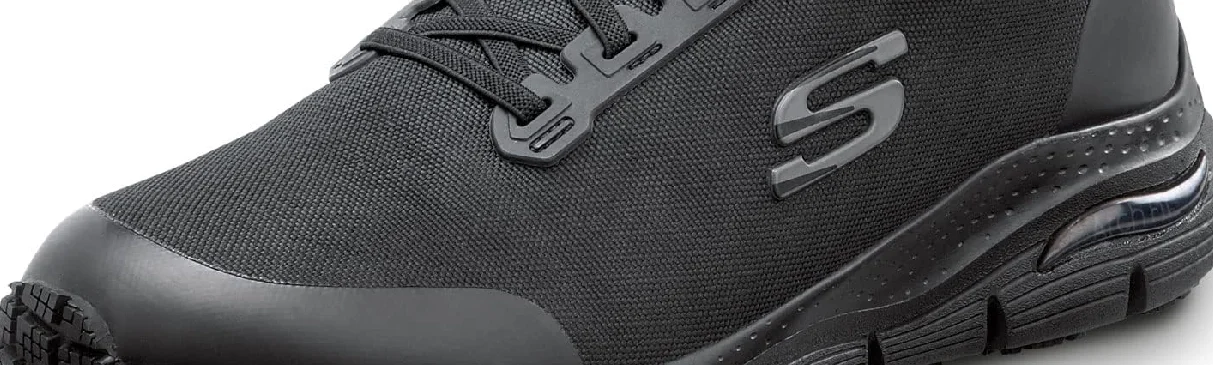
Proper arch and heel support. A shoe that lets your foot roll and flatten with every step transfers that strain straight up into your knees and back. Look for genuine structured support, not just cushioning, which are not the same thing.
A closed, secure fit. No slip-on shoes, no open-back clogs, nothing that can slide or twist during a moving and handling task. If you're supporting someone's weight during a transfer, the last thing you need is a shoe that isn't fully secured to your own foot.
Slip-resistant soles. Kitchens, bathrooms, and wet garden paths are a genuine slip risk, and a proper slip-resistant sole is one of the simplest, cheapest pieces of injury prevention available.
Easy to clean. Between visits, footwear needs to be wiped down or cleaned properly as part of good infection control, particularly after any visit involving personal care, wounds, or continence support. A shoe with a smooth, sealed upper is considerably easier to keep genuinely clean than a fabric or suede one.
Breathable material. A full day in shoes that don't breathe leads to discomfort at best and skin problems at worst. Look for genuine breathable uppers, not just a marketing claim on the box.
The right fit, properly measured. Feet change shape and size over the years, sometimes more than people realise. It's worth getting properly measured rather than assuming you're still the size you've always bought.
What to Avoid
Anything brand new for a first full shift. Shoes need breaking in gradually. Wear new footwear around the house for short periods first, never straight into a demanding working day.
Fashion over function. We understand the appeal of a shoe that looks good. This isn't the job for it. Prioritise support and safety, every time, without exception.
Shoes that are "fine for now." Footwear wears out gradually, and it's easy to keep wearing a pair well past the point they're still doing their job properly. If the sole has worn smooth, if the support has genuinely flattened out, replace them. Your joints will notice the difference even if your eyes can't see it yet.
Ignoring foot pain as "just part of the job." Persistent foot, knee, or back pain is not something to quietly push through. It's a signal that something in your footwear, your technique, or your workload needs addressing. Please raise it with us if it's happening to you.
A Note on Cost
Good occupational footwear is not the cheapest option on the shelf, and we know that matters. Think of it as an investment in your own body's longevity in this job, in the same way we think of proper moving and handling training as an investment rather than an inconvenience. A well-made pair of shoes, properly cared for, will genuinely outlast several cheaper pairs, and the difference in daily comfort is considerable.
If cost is a genuine barrier, talk to us. We'd rather help than have anyone working in shoes that are quietly doing them harm.
If You're New to Care Work
If you're considering a career in care and reading this has made you think "I hadn't even considered that," that's exactly the kind of practical detail we cover properly in induction training at The Coach House, alongside everything else that goes into doing this job well and sustainably. Have a look at our Careers page if you'd like to know more.
📞 01948 411222 ✉️ mail@nshomecare.co.uk
North Shropshire Homecare The Coach House, 15/17 Green End, Whitchurch, SY13 1AD