
Training Tuesday: How to Identify Pressure Sores (and What to Avoid)
Part of our weekly series for anyone willing to learn — family carers, new starters, or anyone who’s ever looked at a discoloured patch of skin on a loved one and wondered, "Is that just a pressure mark, or is something genuinely wrong?"
Week Zero: The Language of Care (Words We Use and Words We Avoid)
Week one: How to Use a Slide Sheet (and How Not To)
Week two: How to Use a Hoist and Sling (and How Not To)
Week Three: How to Identify Pressure Sores (and What to Avoid)
week Four: Why Washing Your Hands Properly Actually Matters
Week Five: How to Use a Sara Stedy (With Video and What to Avoid)
Before We Start
This blog post is not a substitute for clinical tissue viability training or medical advice from a district nurse. If you are caring for someone at home and spot a patch of skin that looks broken, damaged, or persistently dark or red, please contact their GP, district nursing team, or homecare provider straight away.
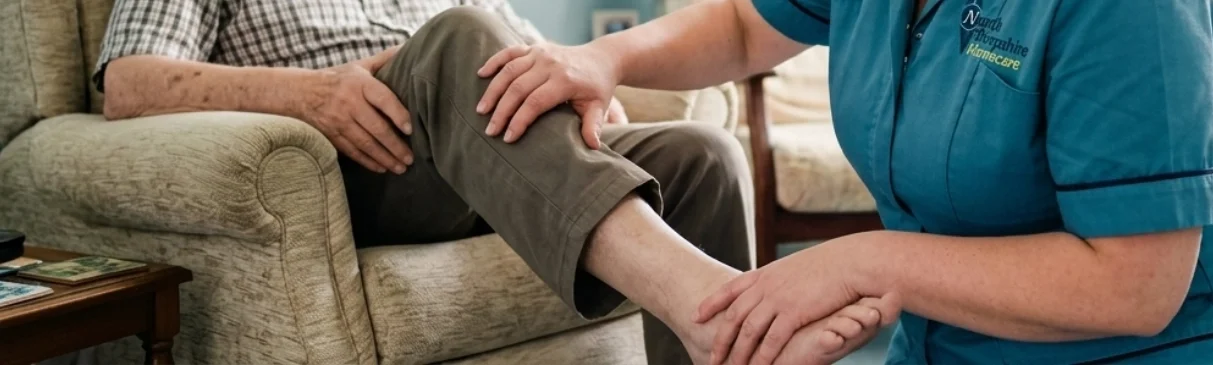
What this post will do is give you the practical eyes to spot early pressure damage long before it breaks into an open wound. Pressure sores (also called pressure ulcers or bedsores) are far easier to prevent and treat in their earliest stages. Caught early, skin can recover in days. Left unchecked, early pressure damage can break down into deep, painful, and dangerously infection-prone wounds that take months to heal.
What a Pressure Sore Actually Is
A pressure sore happens when constant pressure, friction, or sliding forces (shear) compress the skin and tiny blood vessels against a bony part of the body.
When blood flow is squeezed off for too long, oxygen and nutrients can't reach the tissue. The cells underneath begin to suffer and die off. While we often only notice the surface skin changing colour, the real damage starts deep down near the bone and moves outward.
Where They Form (High-Risk Zones)
Pressure sores almost always develop over bony prominences — areas where bone rests close under the skin with very little natural fat cushion in between.
Depending on whether someone spends most of their time in bed or sitting in a chair, pay special attention to:
In bed: Heels, ankles, knees, hips, lower back and buttocks (sacrum), elbows, shoulder blades, and the back or sides of the head.
In an armchair or wheelchair: The sit-bones (ischial tuberosities), tailbone, lower back, behind the knees, and heels.
How to Spot One — The Basics
Skin checks should be built naturally into daily personal care — while assisting someone with washing, dressing, or changing position.
1. Get Consent and Communicate
Always explain what you're doing first. Inspecting skin around the lower back, buttocks, or thighs can feel intrusive. A simple, "I'm just going to check over your heels and lower back while we're helping you change, just to make sure your skin is happy and comfortable," keeps people informed and respected.
2. Look for Colour Changes
On lighter skin tones, early pressure damage looks like a persistent red or pink patch that doesn't fade after pressure is relieved.
On darker skin tones, redness may not be obvious. Look instead for patches that appear purple, bluish, dark brown, or darker than the surrounding skin.
3. Perform the "Blanch Test"
When you see a suspicious red patch, press your finger gently over the area for 10–15 seconds, then lift your finger:
Blanching skin (Normal reaction): The skin turns pale white under your finger pressure, then quickly returns to pink/red as blood flows back. This means blood circulation is still working.
Non-blanching skin (Stage 1 Pressure Damage): The red or dark mark stays completely red/dark and does not turn pale when pressed. This shows blood vessels beneath are compromised.
4. Feel for Temperature and Texture
Don't just rely on your eyes — use the back of your hand to feel the skin:
Temperature: Is the area noticeably warmer or colder than the surrounding skin? (Warmth indicates inflammation; coldness can mean restricted circulation).
Texture: Does the tissue feel firm, hard, puffy, or unusually soft and "spongy"?
Discomfort: Does the person wince, pull away, or report tenderness when you gently touch the area?
What NOT to Do
Don't massage or rub red skin: This is one of the most common mistakes family carers make. Rubbing or massaging damaged, fragile skin crushes delicate capillaries beneath the surface and accelerates tissue breakdown.
Don't use ring cushions ("donut" pillows): Old advice used to recommend donut-shaped cushions to keep weight off the tailbone. In reality, they cut off blood circulation around the ring's perimeter, creating more tissue damage.
Don't wait for the skin to break open: A Stage 1 non-blanching mark is your alarm bell. If you wait until a blister or open sore appears, you're already fighting a much larger battle.
Don't ignore moisture: Wet skin from sweat or incontinence becomes soft and weak (macerated), making it tear and break down under friction twice as fast.
Don't leave someone in one position: Pressure needs time to do damage. Regular repositioning (at least every 2 hours in bed, or small adjustments every 15–30 minutes in a chair) is essential.
Condition-Specific Notes
Pressure sore risks present differently depending on the health conditions of the person you're caring for:
Diabetes & Peripheral Neuropathy: Nerve damage means people often cannot feel the initial burning or aching sensation of pressure. Never rely on them telling you it hurts — perform visual checks daily, especially on heels and soles of feet.
Dementia: A person with advanced dementia may be unable to explain that they are in pain. Look out for non-verbal cues — wincing, restless shifting, agitation, or pulling away when a specific area is touched during dressing.
Stroke & One-Sided Weakness: Weight naturally shifts toward the weaker side when sitting or lying down. Ensure high-risk areas on the affected side are supported with proper pressure-relieving cushions.
Incontinence: Acidic urine and moisture break down skin lipids quickly. It's vital to differentiate between Incontinence-Associated Dermatitis (widespread redness in skin folds) and a pressure sore (focused over a bony point). Both require urgent attention.
Frailty & Weight Loss: Rapid weight loss reduces natural subcutaneous fat padding over bones, making heels and sit-bones far more vulnerable almost overnight.
Palliative & End-of-Life Care: As organs begin to fail, blood flow prioritises core vital organs over the skin (sometimes leading to rapid skin breakdown known as Kennedy Terminal Ulcers). The focus shifts to gentle repositioning, pain management, and maximum comfort rather than aggressive treatments.
If You Want to Learn Properly
If you are a family carer in Whitchurch, Wem, or anywhere across North Shropshire, and you are concerned about skin redness or want advice on choosing proper pressure-relieving cushions or mattresses, reach out to us. We can guide you on speaking with your local district nursing or tissue viability team.
If you’re thinking about care as a career and want to learn how to deliver thorough, compassionate, and professional care, we train every team member in skin integrity and tissue safety before they ever step into a client's home. Take a look at our Careers page to find out more.
📞 01948 411222
North Shropshire Homecare — The Coach House, 15/17 Green End, Whitchurch, SY13 1AD